

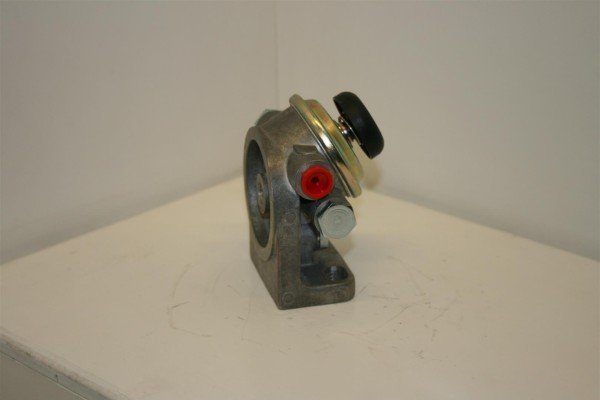
Is your boat’s diesel engine not running smoothly anymore or is it starting with difficulty? Then a faulty lift pump could be a possible cause. In that case, it’s wise to replace that pump quickly to prevent bigger problems.
In this blog, we’ll explain step-by-step what a fuel lift pump does, how to spot problems with it, and how to sort them out yourself. That way, your engine will run better, you’ll save on fuel, and you’ll avoid costly repairs down the line.
What exactly does a feed pump do?
The feed pump, also known as the fuel pump or fuel supply pump, is responsible for transferring diesel from the fuel tank, via the fine filter, to your engine’s injection pump. The injection pump then sprays the fuel into the cylinders.
Electric or mechanical fuel pump
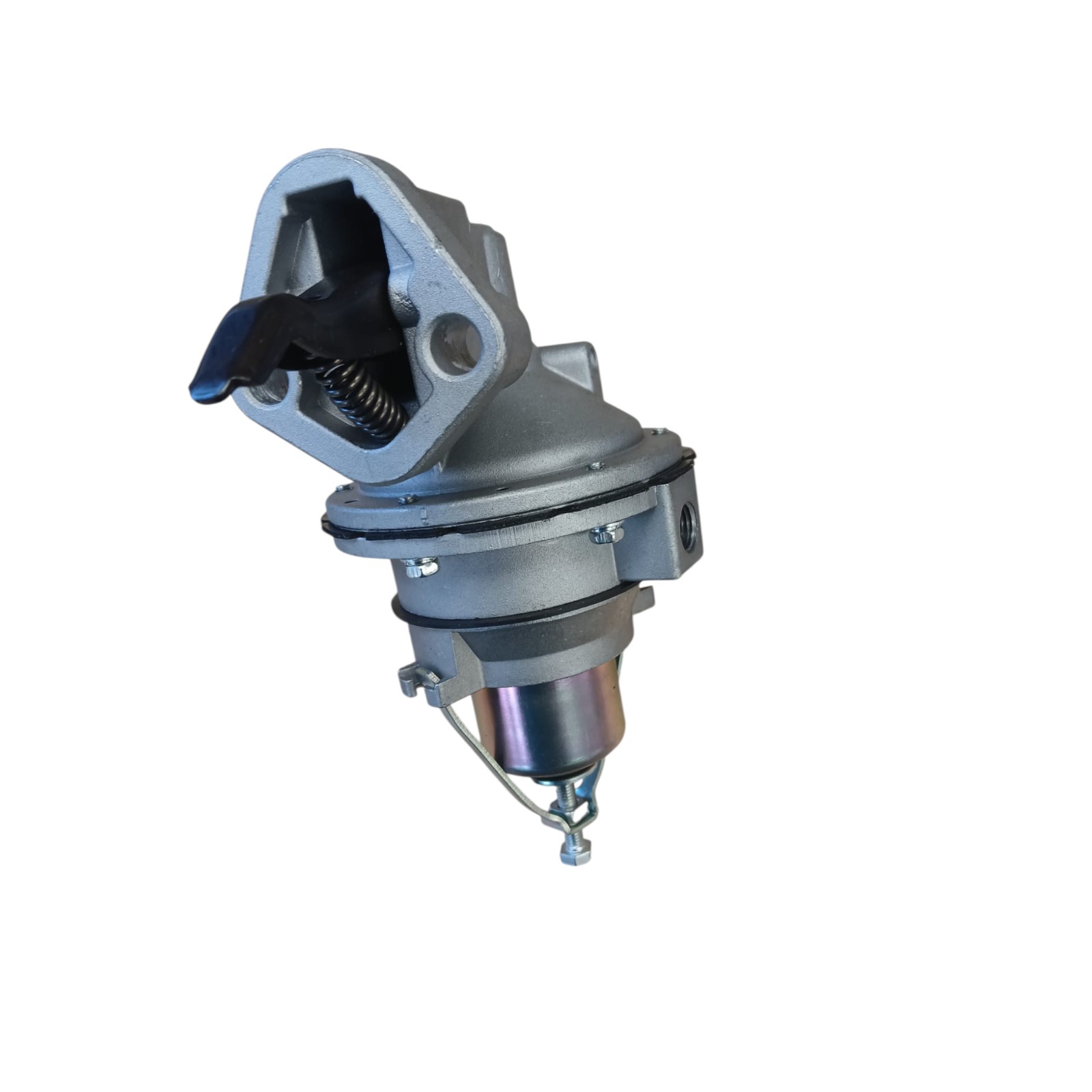
Globally speaking, there are two types of fuel pumps: electrical and mechanical. In older diesel engines, the feed pump is usually mechanically driven. Newer diesel engines often feature electric feed pumps. These fuel pumps are more consistent, quieter, and more compact.
Why does a fuel pump go broke
A faulty pump can have all sorts of causes. These could include
- Wear and tear
- Clogged by dirt
- Corrosion from water in diesel
- Overheating under heavy load.
Air bubbles in the system, contaminated fuel, or running dry for too long can also cause damage.

What happens if the feed pump isn’t working properly?
If the feed pump isn’t working properly, the injection pump (high-pressure fuel pump) will receive insufficient fuel. Consequences include poor or slow starting, reduced pulling power when boating, and in the worst-case scenario, the engine cutting out. Internal wear can also increase if the fuel supply is irregular.
Engine starting problems
Trouble starting your engine, or is it barely starting at all? A faulty feed pump could be the culprit. If the feed pump isn’t pushing enough diesel towards the injection pump, there simply won’t be enough fuel getting into the cylinders. This makes starting difficult, or impossible.
Rough running of the engine
Got an engine that’s juddering, spluttering, or hesitating? Chances are, the fuel supply isn’t as consistent as it should be. This unevenness causes fluctuating engine speeds. You’ll notice it more at higher revs, as the fuel pump has to work harder then.
Air bubbles or fuel leaks
Are you seeing fuel leaks around the feed pump? The pump is probably worn out, or the seals are no longer any good. It’s also possible there’s air in the system. Air bubbles in the lines cause sputtering and a loss of power.
More wear and dirt
Seeing rust, corrosion, or a build-up of grime around the feed pump? The fuel pump has likely seen better days too. It’s also possible that the filter in or near the feed pump has become clogged. Cleaning it in this case is a good idea.
What you’ll need to replace your broken fuel pump yourself
Fancy yourself a bit of a DIY whizz? Then swapping out the fuel pump is a job you can tackle yourself. You’ll need the right tools for the job, mind. Make sure you’ve got the following bits and bobs to hand:
- A new feed pump that naturally suits your brand and type
- Socket and spanner sets in the right sizes for your bolts
- in the right sizes for your bolts. to loosen hose clamps.
- A bleed key or pump bellows, for bleeding
- New gaskets or O-rings
A step-by-step guide to replacing your faulty fuel pump yourself
Time to get cracking. We’ll walk you through replacing the fuel pump, step by step. Got any questions? Don’t hesitate to get in touch. We’re happy to help.
Step 1: Turn off the engine and let it cool down.
First and foremost, always prioritise safety by letting your engine cool down. Also, shut off the fuel supply. If you’re working with an electric pump, disconnect the battery terminals too, if applicable. Safety first!
Step 2: Find the fuel pump
The feed pump is usually found between the fuel tank and the injection pump. With a mechanical pump, you’ll typically find the feed pump next to the engine block, complete with a manual lever.
Step 3: Disconnect fuel lines
Dsconnect the lines next. A little diesel might leak out. Relieve any pressure with the hand pump provided before disconnecting the pipes.
Step 4: Unscrew the old pump
Pry the faulty fuel pump out using the correct spanners. Sometimes there might be a gasket or an O-ring in between. Remove that, then give everything a good clean. That way, there’s no grime getting in the way of your new pump.
Step 5: Fit the new pump
Seat your new pump with the correct gaskets and washers. Make sure the pump is level and secure. Then, tighten the bolts, but don’t overtighten them. Also, ensure you tighten the bolts evenly.
Step 6: Bleed the system
Reconnect your fuel lines and use the hand primer or an external bleeding pump to fill the system with diesel. Then, bleed the system. You usually do this via the nipple on the filter or the injection pump.
Step 7: Start the engine
Start the engine and let it idle for a bit. Check for any leaks and that everything sounds as it should. Does it run smoothly? Then the job is done and you’ll no longer have trouble with that faulty fuel pump.
Common mistakes when replacing a fuel pump
To prevent mistakes, here’s a list of common errors. This way, you can avoid them when replacing your fuel pump.
Using the wrong pump model
Not every pump fits every engine. Choose a pump that matches your make and model. If you’re unsure, please feel free to get in touch with us for expert advice.
Reusing old gaskets
Occasionally, DIYers might be tempted to reuse old washers. We always advise fitting new ones. This ensures you don’t end up with knackered parts and everything’s shipshape.
Wrong or too tight fitting
When fitting the pump, it’s important to tighten the bolts by hand, with even pressure. Overtightening isn’t good. Make sure it’s also straight.
Forgot to bleed
Bleeding the system is important after replacing a fuel pump. Air in the system will cause starting problems or a poorly running engine. So, always bleed it thoroughly.
Fuel pump on the blink? We’ll sort it!
Replacing a faulty fuel pump requires precision, a bit of nerve, and the right tools. Order your new fuel pump easily and quickly through our webshop. We have a wide range of models from well-known manufacturers such as Vetus, Volvo Penta, Mercedes, Kubota, and Peugeot.
Replacing a duff fuel pump needs a steady hand, a bit of guts, and the right kit. Get your new fuel pump sorted lickety-split from our online shop. We’ve got a cracking selection from the usual suspects like Vetus, Volvo Penta, Mercedes, Kubota, and Peugeot. Stuck or not quite ready to dive in? Don’t hesitate to get in touch. We’re happy to point you in the right direction. Based on your specific situation, we can usually tell you quickly which feed pump you need.
 Get quick help via Whatsapp, click here!