How can I properly manage my electrical systems on board?
It’s a comforting thought to have no hassle with the electrical systems on board. How do you ensure that the fridge is cold, the (boat) lighting works, and that you can still start the engine? A battery isolator might be the solution for you.
Charge both the start and lighting battery with a battery isolator (battery separator)
Do you know the sound of a refusing starter motor due to low voltage? Perhaps the lighting, fridge, and other energy consumers have drained the power, and now you can’t start the engine. We recommend a separate lighting and start battery system, such as the Victron Battery Isolator.
Why separate electrical systems on board?
The required power for the lighting system and the starting system differ. The lighting system is often used for long periods, while the starting system only demands high power for short durations. The best solution for this issue is to use two different batteries that are tailored for each system. Fortunately, start and traction batteries are available on the market.
Always a charged battery
Even for a small setup, using a separate lighting and start battery system is advisable. While using power from the lighting battery, there is no connection to the start battery, keeping it full and available for engine starting.
Separate power sources can still be charged with the engine’s alternator
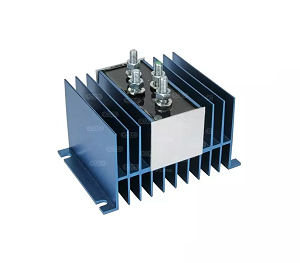
When you separate both power sources, you need to be able to charge them separately. If you want to separate both batteries but still charge them with the engine’s alternator, you use a battery isolator, also known as a diode bridge. The isolator distributes the voltage to both batteries. There are also distributors and separation relays available that switch to the other battery when one is full.
What is a battery isolator?
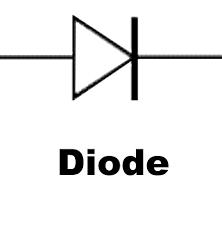
A battery isolator is a specially designed diode bridge, which connects the second battery (the lighting battery) to the alternator when the engine is running. The relay is controlled by the so-called “D+” connection from the alternator and has a provision to prevent overloading of the alternator and the voltage regulator.
Advantages of a battery isolator
The main advantage of a battery isolator is that there is an absolute separation between the battery sets under all circumstances. If one of the two batteries is empty, it can never transfer the power. Think of two barrels of water. A battery isolator conducts the charging current from the alternator or battery charger and distributes it to both battery sets. This is done through two or more diodes, which act as a “check valve” for the charging current. There is only one direction for the current, and it cannot flow back. We offer a range of simple battery isolators to realize the above system. Always check the voltage and required power that can go through the relay.
NB: You can also charge the battery with a battery isolator from the regular 230V power grid.
How many volts per relay?
The rule of thumb is as follows:
- 70 AMPERE DIODE BRIDGE: for battery chargers and alternators up to 55 Ampere maximum charging current.
- 120 AMPERE DIODE BRIDGE: for battery chargers and alternators from 60 to 90 Ampere.
- 150 AMPERE DIODE BRIDGE: for battery chargers and alternators from 100 to 120 Ampere
Battery isolator with compensation diode
Note that a diode always has a bridging voltage (threshold voltage) of 0.6 volts. This means that with a 14V charging system, a maximum of 13.4V will go to the battery. This can be a problem with older types of alternators. An isolator with a compensation diode prevents voltage drop across the diode, ensuring the battery is charged with the correct voltage.
Setup of a battery isolator
See the diagram for a simple setup of a battery isolator:

Buy a battery isolator (battery separator)
Click for a affordable battery isolator for your boat!
 Get quick help via Whatsapp, click here!