
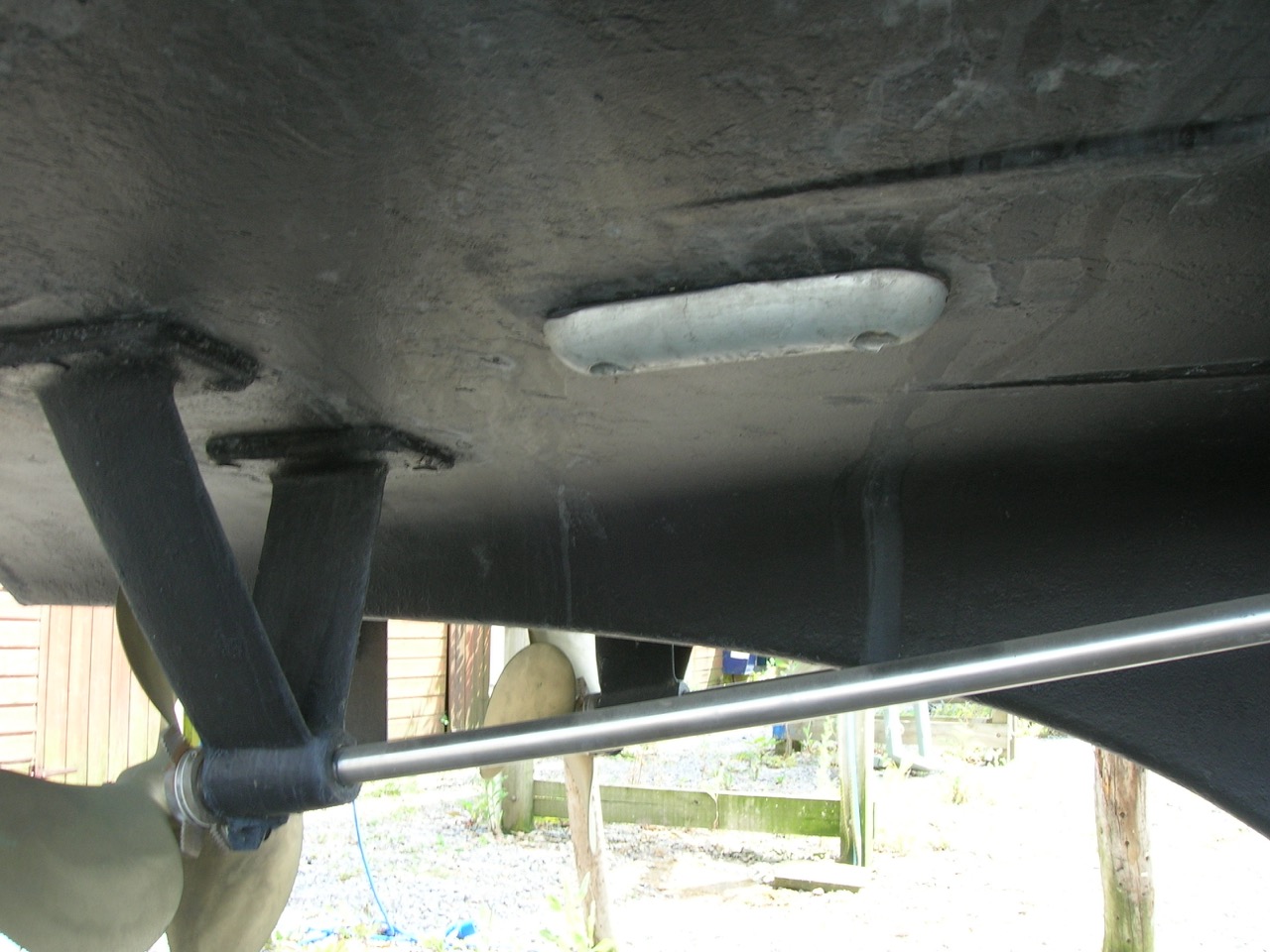
Whether you’re an experienced boater or just starting out with tinkering on your own boat, it’s good to know what an anode is. We’ll explain the meaning of an anode, what an anode does, what types of anodes there are, and how they protect your boat from galvanic corrosion.
What is an anode?
An anode is an electrode that functions as a positive electrode, thereby forming the positive pole within an electrochemical cell. It is the electrode along which electrons move when an electric current is generated.
During this process, electrons are central. The anode releases electrons via an external circuit, creating a controlled current flow between the different components. The anode is a charged plate, often positively charged, which releases an equivalent number of electrons and leaves an equivalent number of electrons behind in the material.
An anode is an essential part of your boat’s protection system against galvanic corrosion. This corrosion occurs when different metals come into contact with an electrolyte, such as distilled water, fresh, salt, or brackish water.
How does a boat anode work?
On a boat, the anode is deliberately the least noble metal. This electrode is used to protect other metal components. The anode forms the positive pole, while the cathode, also called the cathode, is the negative pole.
The cathode is the electrode that actually accepts electrons, while the anode gives them up. This interaction causes current to flow from the anode to the cathode, thereby preventing corrosion damage. This principle is very similar to what happens during electrolysis, but applied as a protective mechanism.
Through this action, current flows from the anode towards the cathode, creating a controlled current. This electric current ensures that it is the anode itself that corrodes, not the important metal parts. This protects components such as the propeller, the propeller shaft, and other metal components.

Types of anodes: magnesium, zinc or aluminium
There are various types of anodes available, each designed for specific water conditions and materials. The most commonly used are zinc, aluminium, and magnesium. These materials gradually dissolve in the surrounding solution or mixture in which the metal is located.
Magnesium anodes: perfect for fresh water
A magnesium anode is most suitable for use in fresh water. Magnesium is the least noble metal of the three and therefore corrodes the quickest. This makes magnesium anodes ideal for use in fresh water, where corrosion is less aggressive. However, it is important to note that magnesium anodes are not suitable for use in salt water, as they would corrode too quickly there.
Zinc anodes: ideal for saltwaterr
A zinc anode is best suited for use in saltwater. Zinc is the least noble metal and is highly resistant to the corrosive effects of saltwater. For boats that primarily navigate the sea or other saltwater environments, zinc anodes are the best choice. They offer effective protection for metal components such as the propeller shaft and the stern gear of vessels.
Aluminium anodes: versatile and lightweightt
Aluminium anodes are very versatile and can be used in both saltwater, freshwater, and brackish water. An aluminium anode is lighter than zinc and offers excellent protection against corrosion. Furthermore, aluminium anodes are more environmentally friendly as they contain fewer harmful substances. These are often fitted to boats that navigate in various waters, as they are effective in both freshwater sailing and saltwater.
Can stainless steel and aluminium be used together on a boat?
A common question is whether stainless steel and aluminium can be used together on a boat. Combining different metals, such as stainless steel and aluminium, can lead to galvanic corrosion, especially in saltwater.
It’s important to choose the right anode to prevent this. For example, an aluminium anode can help minimise corrosion by sacrificing itself instead of the aluminium or stainless steel on your boat. The anode absorbs the electrical current and prevents damage to other metal components.
How often do you need to replace an anode?
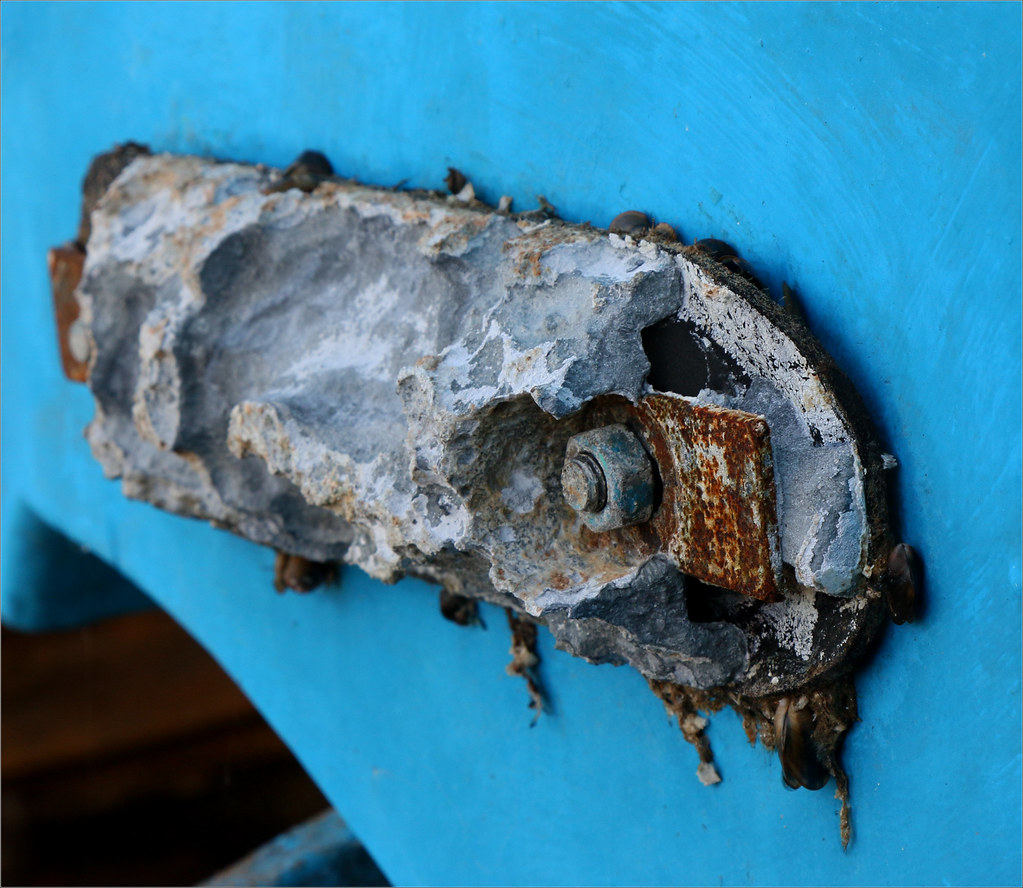
Over time, an anode will visibly corrode. Regularly checking and replacing anodes is essential for maintaining your boat. A general rule of thumb is to inspect your anodes at least once a year. If you see an anode has lost more than 50% of its mass, you should replace it.
This applies to all types, whether you’re using zinc, aluminium, or magnesium. Failing to replace the correct anode in good time can lead to serious damage to the metal parts of your vessel.
How many anodes do you need for your boat?
The number of anodes you’ll need depends on the size of your boat, the type of water you sail in, the amount of metal components that come into contact with the water, and how a component is fed. For smaller boats, one shaft anode might suffice, whereas larger vessels often require several anodes.
The answer to the question ‘how many anodes do I need?’ depends on factors such as the waterline, the presence of an outboard engine, and the materials used. Also consider what type of anode you need, depending on the water conditions and the materials of your boat.
Purchase the correct anodes from AB Marine Service
The use of the correct anodes is essential to protect your boat from galvanic corrosion. Whether you’re sailing in fresh, brackish, or saltwater, choosing the right anodes and replacing them in good time will ensure your boat remains well-protected. Make sure you are properly equipped with the correct anodes and thus prevent unnecessary damage to your vessel.
 Get quick help via Whatsapp, click here!