

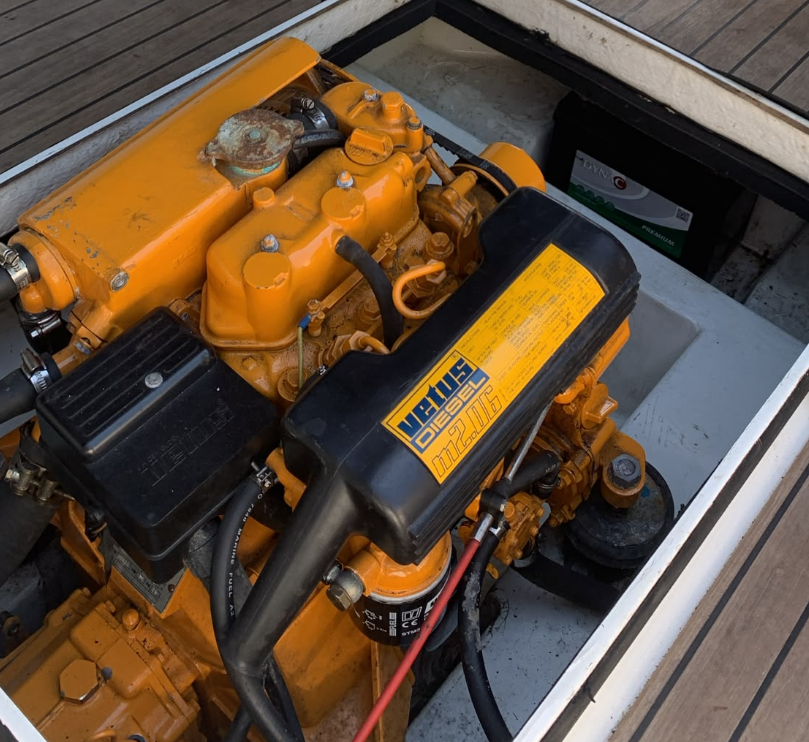
Is your diesel engine starting to struggle lately, are you seeing black smoke behind the boat while sailing, or do you notice your pulling power dropping off at higher revs? Then dirty injectors are a likely culprit. Unlike air in the fuel system (which occurs after a filter change or when the tank is empty), injector fouling builds up slowly due to fuel quality, condensation, and standing idle.
In this blog, you’ll read how to recognise fouled injectors and what you can do yourself with a diesel additive. Afterwards, we’ll show you how to prevent injector problems with the right filters for your engine, because prevention is almost always easier than repair for diesel engines on a boat.
How to recognise fouled injectors on an inboard diesel engine?
Dirty injectors disrupt the spray pattern used to atomise diesel in the cylinder. A good injector creates a fine mist that burns quickly. A dirty injector is more likely to create a jet or droplets, leading to messy combustion and resulting in residues like soot and black smoke exiting through the exhaust. The consequence: higher emissions, less power, and long-term damage to other engine components.
The symptoms you’ll most likely notice first on board are:
- Starting problems or difficulty starting, especially cold starts in the morning take more attempts than usual.
- Irregular idling or holding back, noticeable when waiting for a bridge or lock.
- Black smoke when accelerating, a sign that fuel is not burning completely and your emissions are increasing.
- Power loss and higher fuel consumption, you’re getting fewer revs or sailing slower at the same throttle position.
Not every complaint points directly to injectors. Before you start cleaning, rule out three common causes. A clogged fuel filter gives virtually the same complaints, especially under higher load. Water or dirt in the tank occurs extra often in boats due to condensation and standing still. Air in the fuel line, often due to worn hose clamps or connections, also causes rough running and stalling. Do you suspect the latter? Then first read how to bleed a diesel engine on a boat.
Only when you have a recently replaced fuel filter and see no signs of water or air leaks is a dirty injector a likely cause.
What can you do yourself to clean injectors?
The easiest and safest way to get started yourself is to add a diesel additive to the fuel tank. Products like Innotec Injector Cleaner or Innotec diesel Cleaner dissolve light contamination while you drive. The additive flows with the diesel through the entire injection system, including the injectors, loosening deposits that the engine then flushes out.
This approach works well for mild issues or as periodic preventative maintenance. With mild contamination, you’ll often notice a smoother-running engine, restored performance, and less black smoke when accelerating after 30 to 50 hours of sailing. Important: adding more doesn’t help better and can actually be counterproductive with some products. Always read the label and adhere to the dosage.
Always combine an additive with a filter check. A clean injector is of little use if the fuel filter above it is clogged, and conversely, a new filter offers little benefit if the tank is full of bacteria. Replace the fuel filter if you don’t know when it was last done, and drain the water separator bowl (if you have one) before pouring in the additive.
What if an additive isn’t sufficient?
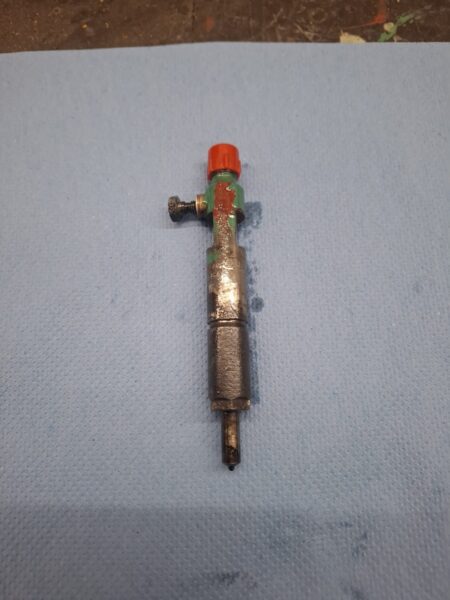
Going beyond an additive plus filter change is not realistic for most boat owners. Dismantling injectors and having them ultrasonically cleaned on a test bench is specialist work: you need the right tools, engine manual, and experience to remove injectors without damage and refit them correctly.
Is the additive in the tank not sufficient? Then you can combine the replacement of the fuel filter with a more powerful cleaning. Instead of filling the filter housing with clean diesel (as usual), you fill it with pure cleaner or a concentrated additive. The engine will then first draw the cleaner through the fuel system before the regular diesel follows. This provides a much stronger effect than an additive diluted throughout your entire tank. Note: this only works with engines with a mechanical fuel pump. With modern engines with an electric pump, this can have the opposite effect and send dirt to the injectors, so always check your engine’s manual first.
If this doesn’t help either, there’s only one option left: cleaning via a separately connected system at a diesel specialist, where the engine runs on pure cleaner for an extended period. This is not a DIY job for the garage, but it tackles contamination that you can’t remove yourself.
Prevent atomiser problems with the right filters and additives
Most problems onboard don’t start with the injector itself, but with dirt and water that enter the fuel system earlier on. Good filters and the right additive will keep that muck at bay before it reaches the injection system. This is where you, as a boat owner, can make the biggest difference, and thankfully, it’s all DIY-installable:
- A quality fuel filter from a brand like Mann will capture fine particles that enter your tank via fuel delivery or tank condensation. It’s best to replace it before the start of the season and keep a spare filter onboard for a long trip.
- A Separ filter combines high filtering with Water separation in a transparent bowl, so you immediately see and can drain the collected Water. Water in diesel is one of the main causes of injector problems and diesel bacteria, and a Separ filter tackles both problems simultaneously. For longer trips, there are also switchable Separ units, so you can switch between two filters while sailing without stopping the engine.
- A bacterial killing filter prevents diesel bacteria from multiplying in the fuel tank. Diesel bacteria arise precisely during standstill and water in the tank, and are a common cause of injector complaints in boats that only sail for a few months a year.
- A bactericidal additive, such as Grotamar 71, can be added preventatively to your tank. With Grotamar 71, 25 ml per refuel is already sufficient to prevent bacterial growth, and during winter storage, you use 150 ml to keep the tank clean throughout the season. Especially interesting if you recognise the same problems every season.
- A service kit per engine brand bundles the correct filters, gaskets and small parts for your Volvo Penta, Yanmar or Bukh. This way, you can be sure you’re using the right part and won’t forget anything during a service.
Ready to keep your engine clean and reliable?
Want to avoid injector problems or make a clean start to the season? In our webshop, you’ll find all the parts you need. Unsure which filter or additive is right for your engine? Contact us by email or WhatsApp for advice based on your engine type and usage.
 Get quick help via Whatsapp, click here!