

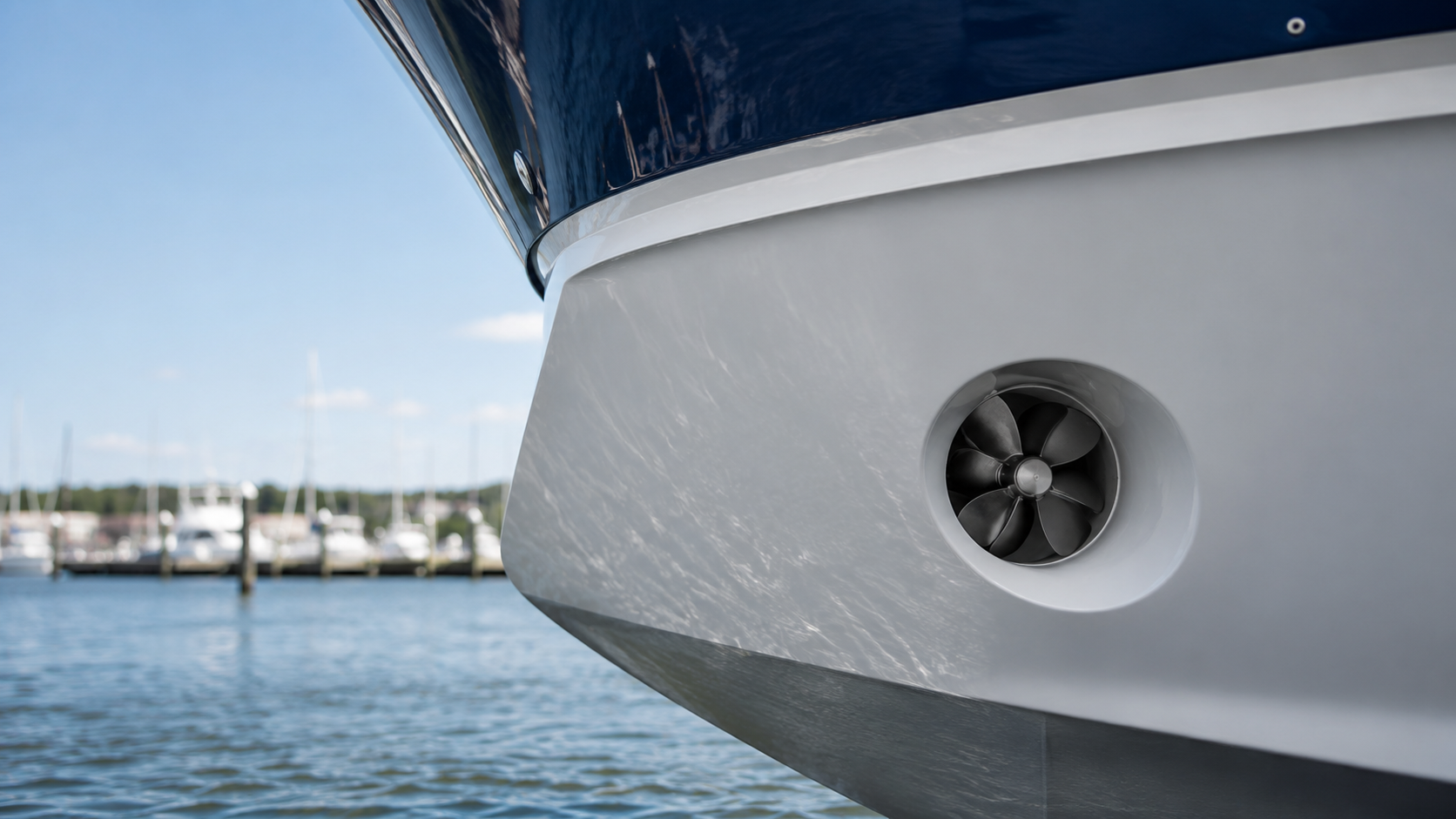
You’re ready to leave the harbour, give a command to the bow thruster, and nothing happens. Or you hear a click, but the propeller doesn’t spin. For boaters, this is a frustrating situation, especially if you need the bow thruster to moor alongside a busy pontoon or in a tricky current.
Most bow thruster problems are electrical in nature. In many cases, you can trace the cause yourself and fix the problem with a simple part. Regular maintenance of the connections and wiring already prevents most failures. In this article, we will go through the most common causes step by step, tell you what you can safely do yourself, and when it is better to call in an expert.
First, rule out: power, controls, and safety
Before you start tinkering, it’s worth quickly ruling out the basics. Many bow thruster problems stem from the power supply or a simple interruption in the controls. A quick inspection of the connections and controls will only take a few minutes and prevent you from checking unnecessarily more complex components.
Quick checklist:
• Main switch: is it on? A tripped main switch is a more common cause than you might think.
• Battery voltage: measure the voltage at rest (12V system: minimum 12.4V). If the voltage drops below 10V under load as soon as you operate the bow thruster, there is a voltage drop and the battery is not supplying enough current.
• Cables and connections: visually inspect connections on the battery to ensure they are secure and free from corrosion (white or green powder) on the terminals. Moisture in the connections increases resistance and can cause faults.
• Fuse or circuit breaker: follow the thick cables from the battery to the bow thruster, as the main fuse is often hidden around a corner or behind a panel.
• Controls and switch: does the bow thruster work from another control position (wheelhouse vs. aft deck)? If so, the problem lies with the control panel or the wiring for that specific switch.
Safety first: always work with the power off where possible. Do not place tools on the battery terminals and stop immediately if you feel cables getting hot or smell burning. These are signs of overload or short circuit that you should not attempt to fix yourself.
The most common causes and what you can do yourself
Have you ruled out the basics and the bow thruster still isn’t responding? Then it’s time to systematically check the most common causes. For each cause, you’ll find: the symptom, a quick test, what you can do yourself, and when to stop.
1. Weak or flat battery
Symptom: the bow thruster reacts slowly, switches off after a few operations, or you hear a rapidly repeated clicking from the relay. This latter signal indicates a voltage drop due to heavy load: a bow thruster quickly draws 200 to 400 amperes when in use. If the battery has insufficient capacity or is internally damaged, the voltage drops under that load, the relay disengages and re-engages.
Quick test: measure the battery voltage while operating the bow thruster. If the voltage in a 12V system drops below 10V, the battery is too weak for this load.
• What you can do yourself: clean and securely tighten the battery terminals, fully charge the battery and measure again.
• When to stop: if the voltage drops significantly even after charging, the battery is at the end of its service life and needs replacing.
2. Blown fuse
Symptom: no response at all, no click, nothing. The power is interrupted before the relay and the bow thruster is not switched.
Quick test: follow the thick cables from the battery and look for the main fuse. If it’s a fuse link cartridge, you’ll immediately see if the link is broken.
• What you can do yourself: replace the fuse with one of the same rating. Never use a higher rating, as the fuse protects the wiring and the system from overload.
• When to stop: if the new fuse blows immediately again, there is an underlying problem (short circuit, jammed motor). Then find the cause first.
3. Faulty relay or contactor
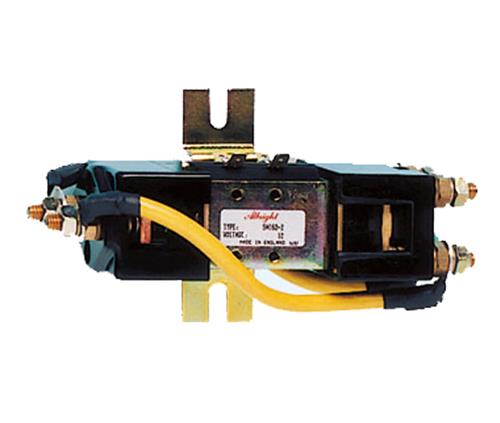
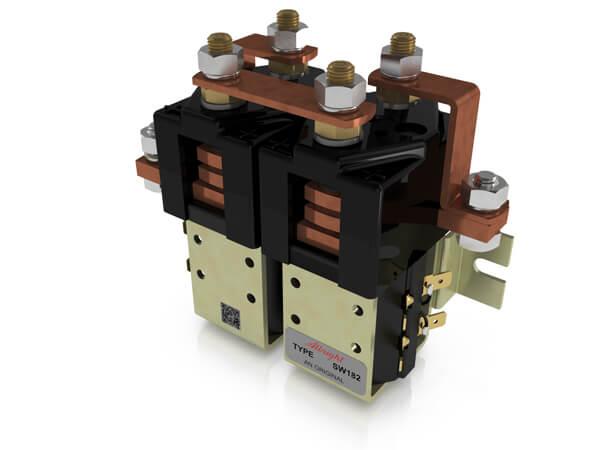
Symptom: you hear a click when operating, but the bow thruster does not turn. Or you hear nothing at all, while the battery and fuse are fine. The relay is the switching component that switches the main current to the bow thruster motor via a small control current. As soon as the relay is faulty, the motor connections are no longer switched and the bow thruster remains stuck at nothing.
Quick test: check if the connections on the relay are firmly secured and properly connected. Look for any visible burning or melted spots on the contacts. A relay that clicks but doesn’t drive the motor is almost always in need of replacement.
• What you can do yourself: replacing the relay. Note before ordering: the operating voltage (12V or 24V), the maximum current rating on the type plate, and take a photo of the connections.
• When to stop: if you are unsure about the wiring diagram or if there are multiple relays in the system that you do not recognise.
4. Seized or damaged propeller
Symptom: you hear a humming or buzzing sound, vibrations are felt, but the propeller isn’t turning. Or the fuse blows immediately when you operate the bow thruster. This indicates a mechanical blockage: the propeller is seized and cannot transmit movement.
Quick check: visually inspect the bow thruster tunnel for any rope, plastic, or other debris caught in the propeller.
• What you can do yourself: remove the blockage, but only if you can safely access the tunnel and the bow thruster has been de-energised. Do not attempt to manually force the propeller in any direction.
• When to stop: if you cannot see anything but the problem persists, or if you suspect wear or damage to the propeller blades.
5. Faulty electric motor
Symptom: no response at all (no clicking either), the electric motor gets hot during operation, there is smoke or a burning smell, or the fuse repeatedly blows after replacement.
A common internal cause with older bow thrusters is worn-out carbon brushes. Carbon brushes are the wear parts in the electric motor that make electrical contact with the commutator. If carbon brushes are too worn or stick in their holder, the motor loses proper contact and stops running. Regular inspection of the carbon brushes prevents unexpected failures: check if they move freely in the brush holder and if the minimum length stated in the manual has not yet been reached. Always replace carbon brushes as a complete set.
Other causes of an electric motor failure include moisture in the motor housing (due to a damaged seal or rust in the bow thruster tunnel) and wear from years of intensive use. The lifespan of an electric motor is highly dependent on the vessel’s maintenance and usage under heavy loads.
When replacing it yourself makes sense and when it’s better to call in help
Most bow thruster problems can be solved with a small part: a new fuse, a clean battery terminal, or a replaced relay. As skipper, you can easily carry out these three steps yourself, provided you work calmly and de-energise the circuit. Wear-related parts such as carbon brushes require a little more knowledge, but can also be changed yourself with the right manual.
Call in a mechanic if:
• A new fuse blows again immediately, even after removing a mechanical blockage.
• Rust or moisture is visible in the bow thruster tunnel or on the motor housing, which may indicate structural wear affecting the system’s lifespan.
• Your melted cable insulation is visible or you smell a burning odour that you cannot explain.
• You do not recognise the wiring or cannot trace the wiring diagram of the relay.
• The electric motor gets hot without turning, which could indicate an internal short circuit (motor short).
How to order the correct part without errors:
• Note the voltage of your bow thruster system: 12V or 24V.
• Locate the nameplate on the bow thruster or relay and note the model number and maximum current rating.
• Take photographs of the connections before unscrewing anything.
• Unsure? WhatsApp the photo and model number to AB Marine for advice.
Browse the full range of bow thruster parts in the bow thruster parts category at ab-marineservice.com, from relays and contactors to fuses, battery isolators, and cable accessories. Unsure which part you need? We’re happy to help you via WhatsApp or email.
 Get quick help via Whatsapp, click here!