Posted on — Leave a comment

Replacing your boat’s propeller: how to check, choose, and replace it correctly

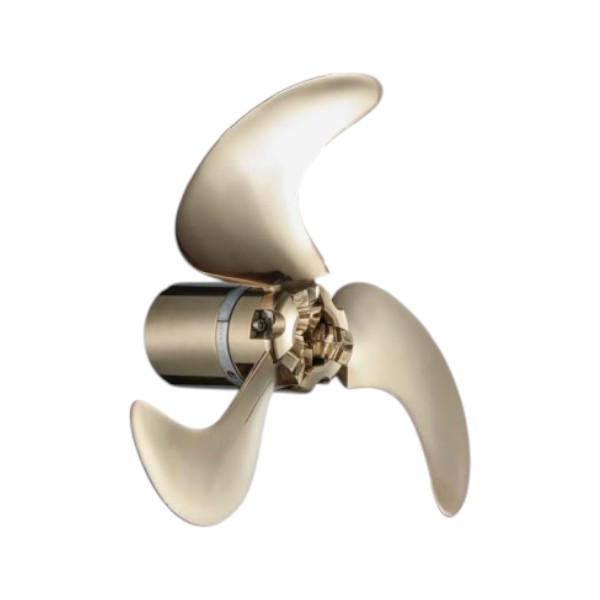
Are you noticing your top speed is lower or that you’re suddenly experiencing vibrations? It’s only natural to then turn your attention to your propeller. However, not every performance issue necessarily means you need a new propeller. Is your propeller heavily damaged or does it need replacing? Below, we’ll explain how to handle it properly.

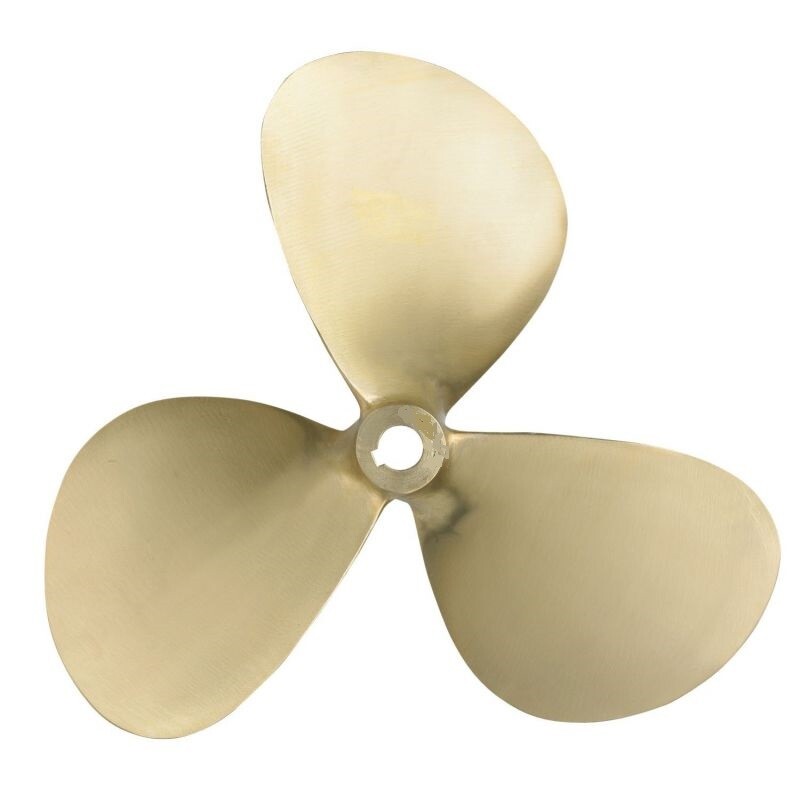
In this blog, I’ll help you quickly decide: (1) if your propeller really needs replacing, (2) what to look out for regarding size and material, and (3) how to replace it properly, including the parts you’ll often replace at the same time. Important to know: which propeller is exactly right for your vessel is always calculated based on a form. Replacing it with the same size can be done yourself, provided you know the current size.

When should you replace a boat propeller?

You prevent unnecessary work and costs by first seeing the difference between a propeller problem and something else in your drive or setup. And did you know that you can often dismantle the propeller yourself with a special propeller puller? This saves you a considerable amount on workshop costs.

Signs that often indicate propeller damage

A damaged propeller is usually recognisable by vibrations. Unfortunately, you might hit something while underway. A piece of wood or a rope in your propeller can severely damage the propeller shaft or the propeller itself. The result: a propeller that no longer runs smoothly.

If you see a dent, burr, crack, or a blade that’s slightly out of position, replacing it is usually the smartest choice.

When the problem is likely elsewhere

Some complaints resemble propeller shaft damage, but are often caused by something else. A too-loose propeller shaft bush can cause ‘rolling’ of the propeller shaft, for example. Replacement is then necessary. Common causes:

  • Debris around the propeller shaft: Think, for instance, of a stray mooring line. A rope cutter can prevent this. Also, check directly around the shaft to see if anything is caught. Do you see any rope or string? Carefully remove it.
  • Hub and propeller shaft problems: something is not running true, or a hub might slip on certain propellers. A piece of driftwood can not only damage the propeller, but also bend the propeller shaft. In that case, replacement of the propeller shaft is necessary. In the worst-case scenario, you’ll have an irreparable propeller.
  • Setup and load not in proportion: if the ratio between propeller and ship is not balanced, the propeller can ‘grind’ or even cause cavitation. With cavitation, the water is sucked into a vacuum by a propeller that is too small and then compressed again quickly. This causes microscopic explosions against the blade surface, which irreparably damages the propeller in the long term. Conversely: if the propeller is too heavy for the engine, you will not achieve full engine power and hull speed. The engine will then be unnecessarily heavily loaded, which is harmful in the long term.

If you doubt about debris around the shaft, or feel obvious play or a click? Check that first, otherwise you’ll keep searching with a new propeller. Sometimes it’s wiser to replace the entire propeller shaft system straight away.

Repair or replace?

Small burrs can sometimes be repaired. Think of minor damage to the edges, as long as the blade isn’t bent. Ensure the propeller remains balanced, or have it balanced by a specialist. For cracks, significant dents, or bent blades, replacement is usually better.

Quick check before you order

  • Watch: are all the blades still neat in shape, without tears or dents?
  • Feel: is there no strange play or click when you carefully move the propeller?
  • Check: do you see (or suspect) fishing line/debris around the shaft?
  • Decide: update or replace?
Folding propellers for saildrive and propeller shaft

Size, pitch, and material of a boat propeller explained

To properly read and understand your old propeller and what the different values mean, it’s helpful to know the basics. Below is an explanation of the most important terms.

What’s on your propeller?

On the propeller hub, you’ll find two key pieces of information:

  • Propeller size (diameter x pitch, e.g. 11 x 8). This can be found on the propeller hub.
  • Rotation direction (left or right). This is indicated as L(h) or R(h) on the propeller and is easily recognizable by the blade position.

Can’t read the size anymore? Then contact us. Usually, it will then be a new propeller calculation.

What a propeller size means: diameter x pitch

Diameter is mainly about grip. The diameter is often given in inches. Usual sizes range from 11″ to 30″. For reference, 11 inches is about 28 centimetres, which is the circular diameter of the propeller. A slightly larger diameter can grip more (good when loaded), but can also turn heavier. Therefore, ‘bigger is better’ is not a safe rule.

Pitch feels like the gear. The pitch is also mostly given in inches and represents the distance the propeller would cover in solid matter if you were to rotate it. For example, 11×8″: diameter 11 inches (28 cm) and pitch 8 inches (20 cm). So, this propeller covers 20 centimetres per revolution in solid matter. More pitch can sometimes give more top speed, but makes it heavier to turn and lowers the RPM. Less pitch allows the engine to reach its RPM faster, but drives the RPM up.

Rule of thumb: the engine must be able to utilise its power and reach its maximum RPM. Ideally, it should be slightly loaded at maximum RPM, but not too much. With wind against you, you want to have spare power. In addition, the vessel must reach its maximum hull speed. Hull speed is the speed the vessel can achieve based on its displacement and shape. This is a calculated speed based on the shape and hull of the vessel (displacement or semi-planing).

Materials

For propellers on inboard engines with a fixed propeller shaft, these are the known materials:

  • Manganeze Bronze (Mn.Br): sea water resistant and very strong material. Suitable for steel and polyester boats. Note: not suitable for aluminium boats, as this material contains 40% zinc and can cause galvanic corrosion.
  • Nickel aluminium Bronze (Ni.Al.Br): suitable for aluminium boats as this material contains no zinc. Is more expensive, but safe to use on all boats.

Do you sail a lot in salt water? Then corrosion will occur faster. Therefore, check your anode and the mounting point around the propeller extra carefully.

Number of blades

A 3 blade is often all-round; 4 blades often provide extra grip and stability (sometimes slightly less top speed).
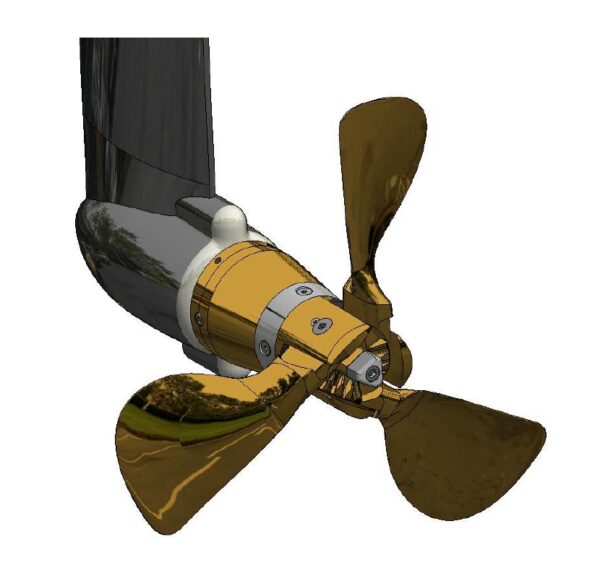
Gori ring anode Ø 15''-16.50'' zinc. The original Gori ring anode for the three-bladed propeller overdrive 15''-16'' 151057000

How to replace a propeller and which parts to replace with it at the same time?

Work carefully: a forgotten locking pin or worn keyway can ruin your day on the water. Working calmly saves hassle.

Starting safely

Engine off, key out (power off where applicable). Boat stable. Gloves on. Check carefully for any damage on or around the propeller shaft before you start.

Replace broadly

Take a photo before you loosen anything. Loosen the cotter pin, undo the nut, and gently block the propeller (e.g. with a wooden block). Use a screwdriver or spanner carefully for the cotter pin (do not force it). For the propeller itself, use a propeller puller: this will pull the propeller off the shaft cleanly without damage. Remove the propeller and put the washers away in order. Check the shaft for wear or debris, clean it, and lightly grease (where appropriate).

Assemble the new propeller with key/washers in the correct order, secure the propeller nut to specification, using the correct torque if you can determine it, tighten it well and re-secure everything. Check that the propeller turns freely and take a short test run.

Which parts do you replace straight away?

Most practical to take with you immediately or at least check:

  • Soles (wear/fraying = replace). If in doubt, take a new sole with you straight away.
  • Nut and cotter pin (doubtful = replace). It’s better to replace these immediately with new parts rather than ‘try again’. View the cap nuts with zinc anode here.
  • Rings or spacer rings (bent or grooved = replace).
  • Anode nearby (worn out = replace). Especially in salt water this helps against corrosion around the propeller and propeller shaft.
  • Grease/maintenance (where applicable). This also helps against seizing and corrosion.

Take the parts you often replace at the same time with you, such as soles, (locking) nuts/securing, washers/spacers, anodes and shaft grease.

Frequently asked questions

Can an incorrect propeller cause vibrations?

Yes. Vibrations can be caused by damage, but also by a propeller that doesn’t match your setup (size, speed, load). If it happens suddenly after ground contact, it’s often damage; if it’s been happening for a while, it’s more likely that the choice or setup isn’t right.

What if I can’t read the size or code?

Take photos of your old propeller and note down anything that is still legible. This usually leads to a new propeller calculation. Contact us and we’ll help you out.

When is it better to have it done?

If you feel clear play, the propeller is stuck and you need brute force, or if you are unsure about compatibility/hub/sequence.

The right parts for your propeller maintenance

Browse the propellers and matching parts in our webshop. From propeller pullers to nut caps, anodes and complete propeller shaft sets: you’ll find everything you need to keep your propeller shaft system in top condition. Unsure about the correct size? Then contact us for a propeller calculation.

Posted on — Leave a comment

Cleaning your boat: how to maintain your boat effectively

onderwaterschip schoonmaken

Cleaning your boat might seem straightforward, but proper boat maintenance requires more than just a bucket of clean water (preferably warm) and a sponge. Dirt, salt, algae, and grease accumulate quickly and can, in the long run, cause damage to materials and components. Not just on the exterior, but particularly in areas that are less frequently seen on board.

Why regularly cleaning your boat is important

Maintaining your boat is about more than just appearances. Of course, a clean boat looks better, but regular cleaning is primarily important for the preservation and safety of your boat. Dirt that remains can, in the long run, cause more damage than you might think.

Durability of materials

Salt, algae, soot and other dirt quickly adhere to the hull and deck. If you leave this too long, materials can be affected. Think of discolouration, dull surfaces or even the beginnings of corrosion, for example from yellow or green deposits. Deposits are not only a cosmetic problem, but can also affect the protective layer of materials in the long run. By cleaning your boat regularly, you prevent dirt from settling and extend the lifespan of important components. If you want to tackle your boat thoroughly, work with a soft brush.

Safety on board

A dirty deck can become slippery, especially if algae or other deposits form. This increases the risk of slipping on board. Dirt around technical components or in the engine bay can also affect their operation. Cleaning your boat therefore directly contributes to safety.

Preservation of your boat’s value

Good maintenance is reflected in the condition of your boat. A boat that is visibly well looked after retains its value better. This is not only pleasing for yourself, but also important if you want to sell or trade in the boat in the future.

Lower long-term maintenance costs

By removing dirt and grime promptly, you prevent bigger problems and costly repairs. Regular cleaning and, if necessary, polishing the boat is more effective and cheaper than deferred maintenance.

cleaning the boat's roof

Which parts of your boat you need to clean

Not every part of your boat gets dirty in the same way, so not everything requires the same approach. By cleaning each part specifically, you’ll work more efficiently and prevent damage to materials. Below you’ll see which parts of your boat regularly need attention and why that’s important.

The hull

The hull is in constant contact with water, meaning it’s exposed to algae, build-up, and dirt. This can accumulate quickly, especially on boats that are moored for extended periods. Regular cleaning prevents dirt from setting in and becoming harder to remove. It also keeps the hull smoother, which can positively impact sailing performance. When cleaning a fibreglass boat, you’ll often look for specific approaches and products.

The deck

The deck endures a lot: sun, rain, dirt and intensive use. Build-up and dirt can make the surface slippery, which reduces safety on board. By cleaning the deck with a soft brush, you not only maintain its appearance, but also provide more grip and a safer situation on board.

The engine room

The engine room is often overlooked, yet it’s a vital part of good boat maintenance. Grease, oil, and dirt accumulate here, which can affect the functioning of components. Much of the pollution in the engine room builds up gradually, meaning leaks or wear are often only noticed during cleaning. Cleaning makes it easier to spot leaks or wear in good time and contributes to a reliable engine.

The interior

Dirt can also cause problems inside your boat. Dampness, dust, and grease not only create a less fresh appearance but can also lead to unpleasant odours or mould formation. By keeping the interior clean and dry, you maintain a high level of comfort on board and prevent additional maintenance work.

The best way to clean your boat

Cleaning becomes much easier if you approach it in a structured way. By following a fixed order and working consciously on each part, you prevent doing double work and reduce the chance of damage. With the tips below, you’ll get more out of every cleaning session.

Always start by removing loose dirt

Before using cleaning products, it’s important to remove loose dirt first. Think of sand, leaves, or dried mud. This prevents you from smearing dirt across surfaces and causing scratches during cleaning.

Work from top to bottom

Start with the deck and then work your way to the hull. This way, you avoid dirt and water from above running over already cleaned parts. This simple order saves time and ensures a tidier final result.

Use the right products for each surface

Not every surface reacts the same way to cleaning products. What’s suitable for the hull might be too aggressive for the deck or interior. By using the right product for each part, you’ll clean more effectively and protect materials from damage. Where possible, opt for specialist cleaners suitable for your boat, and preferably biodegradable ones.

Tackle the engine room separately

The engine bay requires a different approach than the rest of the boat. Work carefully here and avoid excessive water use. Regular cleaning will prevent dirt and grease from building up and will help you spot technical problems sooner.

Rinse and dry thoroughly afterwards

Residue from cleaning agents can cause new deposits if left behind. Therefore, always rinse thoroughly and dry surfaces where possible. This not only ensures a better result, but also extends the time until the next cleaning.

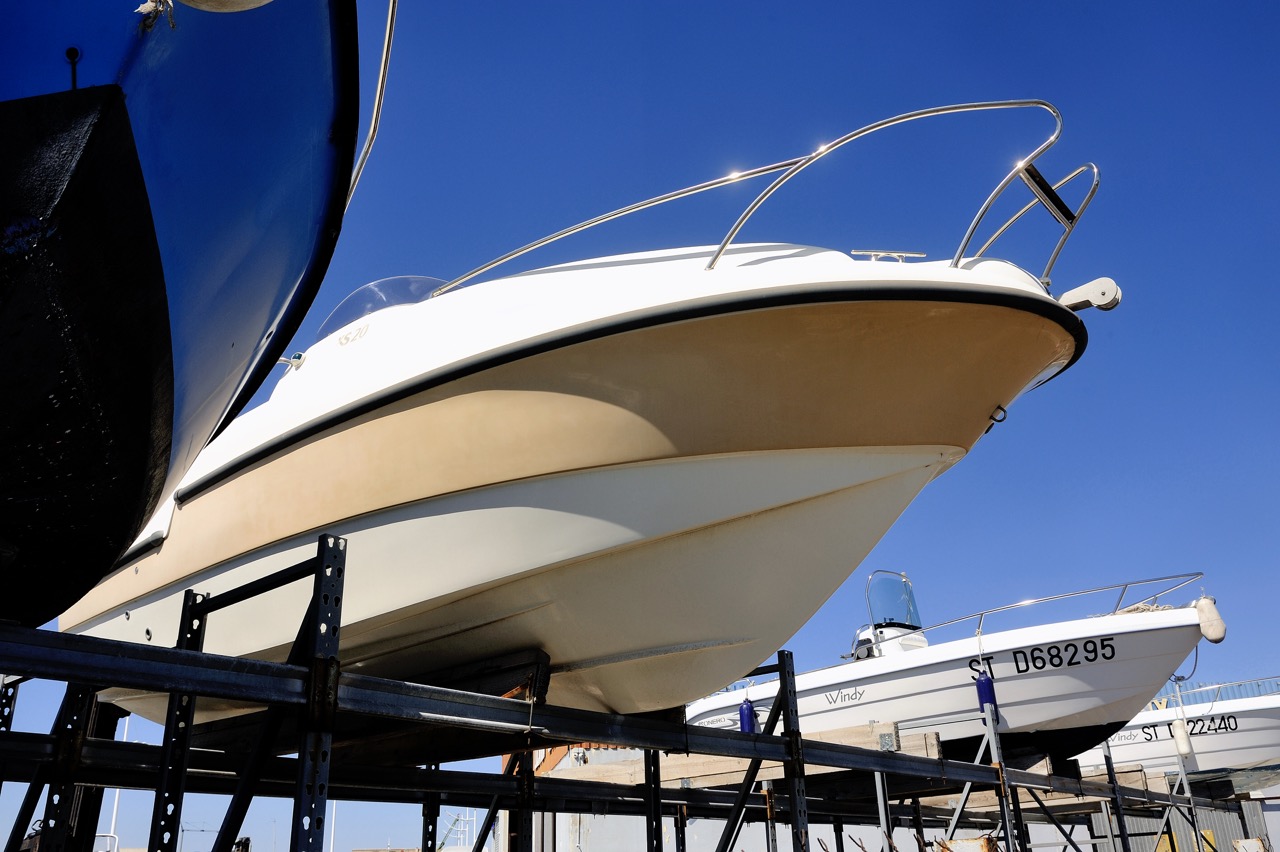
onderaanzicht van boten in opslag

Cleaning your boat effectively with Impressed Pro products

When cleaning your boat, choosing the right product makes a big difference. Many boat owners automatically reach for general cleaning agents, but these are often not developed for the specific types of dirt and materials found on board. Professional maintenance products offer a clear advantage here.

Why household cleaning products often fall short

Standard cleaning products are usually made for indoor use. They are not designed for stubborn dirt such as salt deposits, algae, grease and fuel residues. Furthermore, they can damage coatings, rubber and plastic parts. You might only notice this in the longer term, when materials become dull or wear out faster.

How professional maintenance products differ

For cleaning the hull, deck, and engine compartment, AB Marine Service advises the use of maintenance products specifically developed for boat materials and Marine pollution. Professional products, such as those from Impressed Pro, are developed with boat maintenance in mind. They are tailored to specific applications and clean effectively without being unnecessarily harsh on materials. This ensures a better balance between cleaning results and protecting your boat.

Key benefits of specialised products:

  • Targeted action: they tackle specific contamination, such as grease in the engine bay or fouling on the hull.
  • Material-friendly: developed for use on boat materials such as plastic, metal, and painted surfaces.
  • More efficient cleaning: less scrubbing and repeating, saving you time.

Professional maintenance products may sometimes seem more expensive than general alternatives, but in the long run, they actually offer benefits. You often use less product, prevent damage, and extend the lifespan of parts. Especially if you maintain your boat regularly, investing in quality is a logical choice.

By consciously choosing products tailored to boat maintenance, you make cleaning more effective and safer for your boat. This way, you get more out of each maintenance session and your boat stays in good condition.

Ready to clean your boat?

Cleaning your boat doesn’t have to be a complicated job, as long as you approach it in a structured way and make the right choices. Regular maintenance prevents unnecessary wear and tear, keeps your boat safe to use, and preserves its appearance and value. AB Marine Service advises boat owners daily on cleaning and maintaining boats, tailored to the material, usage, and type of dirt.

Want to make things easier for yourself and be sure you don’t cause any damage? Then opt for our maintenance products from Impressed Pro which have been specially developed for onboard use. This way you’ll work more effectively, save time, and know that your materials will remain well protected.

Posted on — Leave a comment

The engine is running rough: causes, checks, and solutions

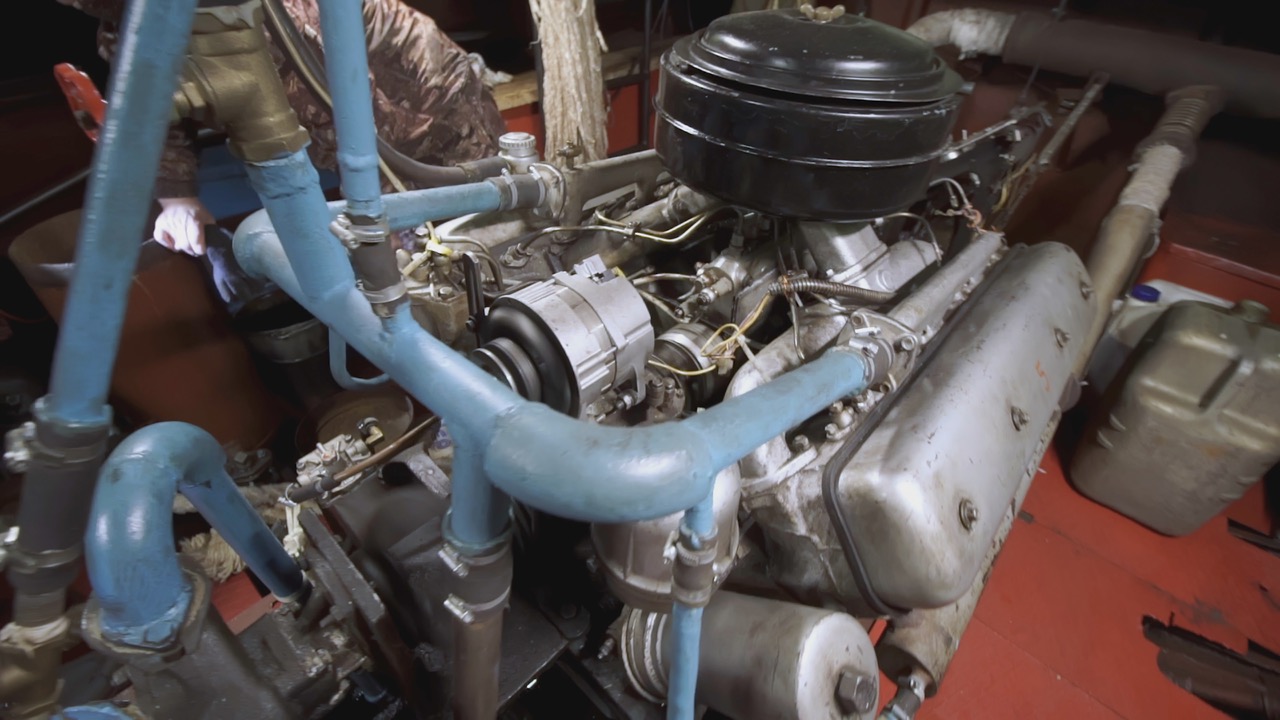
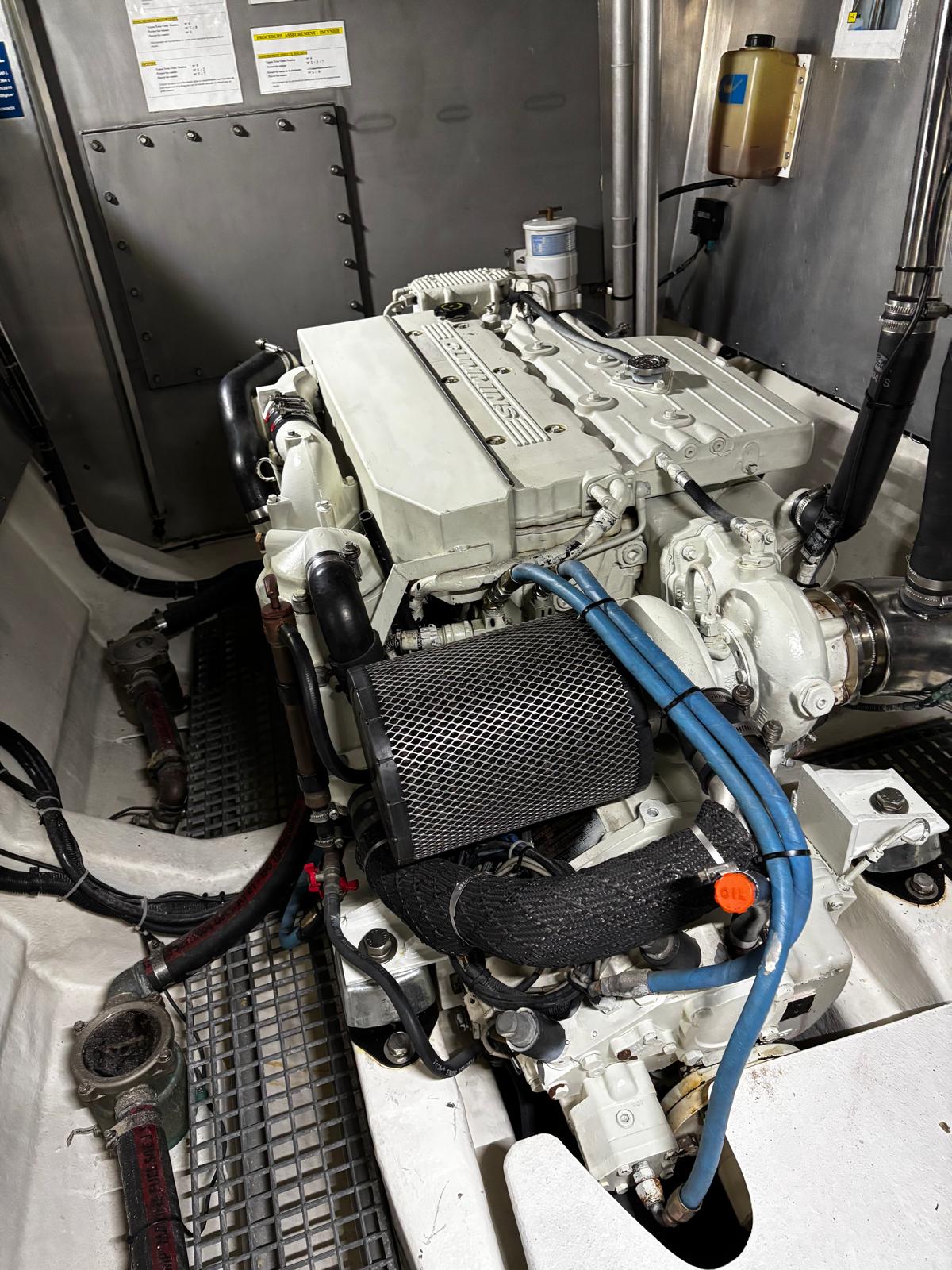
motor ruimte van boot

Is your marine engine running erratically, is the idle speed fluctuating, or does it sometimes almost cut out? This is often first noticed when manoeuvring or idling in the harbour. Usually, the cause can be traced relatively easily if you know what to look for.

In this blog, you’ll learn to recognise the problem, understand the most likely causes, and get a clear path to determine what you can check yourself and when it’s wiser to get help.

How to recognise if a ship’s engine is running unevenly (even when idling)?

Irregular running means the engine isn’t running smoothly: the RPMs fluctuate, it sputters, or occasionally hesitates. On boats, you often notice this first when idling (mooring, waiting at a bridge/lock). Idling is sensitive: a small disturbance in fuel, air, or control is more noticeable then than at higher revs.

First, try to clarify exactly what you’re noticing and when it happens. This will make it much easier to rule out causes later on.

Common onboard symptoms

You can notice irregular running in several ways.

  • A rocking engine speed,
  • Stuttering or hesitation when gently accelerating,
  • The engine runs unevenly at idle. Sometimes this is accompanied by extra smoke, an alternating engine noise, or new vibrations.

The most common causes: fuel, air, ignition or control

It becomes much clearer if you divide the causes into a few logical groups. Then you can exclude them step by step, instead of replacing parts at random.

1) Fuel problems (an especially common cause in boats)

Fuel issues are relatively common with ship engines. Downtime and moisture (condensation) can lead to water in the tank, and dirt already in the tank can cause problems later on.

The most common fuel-related causes are water or contamination in the fuel, clogged (pre)filters, and air in the fuel line (air leaks through couplings or hose clamps). With diesel, contamination such as diesel bacteria can also play a role, especially if filters clog up again quickly.

In the following situations, this is often the problem:

  • Primarily restless or stalling at idle: First, consider water in the fuel, air in the line, or a disturbance that becomes more apparent at idle.
  • Hesitates when accelerating or under heavier load: Consider (pre) filters that can no longer cope with the demand or a supply problem to the pump/injection.
  • Complaints return quickly after a ‘quick fix’: This often means there is still contamination in the system or a cause (such as water/condensation) that has not been eliminated.

2) Air supply (the engine also needs to be able to ‘breathe’ properly)

If the engine receives too little air, or if the air supply is incorrect somewhere, it can cause issues. Think of a dirty air filter or a blocked intake route. This is often a simple check and therefore useful to do early on.

3) Ignition (especially in petrol engines)

If you have a petrol engine, it’s often an ignition issue: the engine occasionally misfires. Worn or dirty spark plugs are then a logical first thing to rule out. If that’s not it, cables, the coil pack, or other ignition components could also be involved, especially in a damp engine bay. With older petrol systems, a faulty carburettor (dirt or incorrect adjustment) can also cause sputtering or rough idling.

4) Control and sensors (modern engines)

With more modern engines, a dirty control valve/throttle body or a faulty sensor can cause ‘hunting’ at idle or inconsistent responses. Sometimes you’ll see a fault code, but it can also happen without a clear code. If the problem persists after you’ve ruled out the basics (fuel/air), reading the codes or taking measurements is often the quickest route.

Quick exclusion: you can (safely) follow this step-by-step plan

The temptation is great to replace ‘something’ straight away. But with marine engines, it almost always works better to rule things out calmly first. This way, you avoid spending money on parts that don’t solve the problem.

Step 1: When does it occur?

  • Only at idle: think more in terms of fuel (water/false air/filters) or control.
  • Mainly under load: think more in terms of fuel supply or (with petrol) ignition.
  • Only when cold or specifically when warm: note this down; it helps enormously with diagnosis.

Step 2: First check the ‘stop points’’

With ‘stop points’ we mean: signals where you don’t want to search any further while the engine is still running. Not because you immediately need to panic, but because you first want to be sure you are not causing damage (or an unsafe situation).

If you see any of these, it’s wiser to stop testing and sort out what’s what first:

  • Temperature or oil pressure alarm
    This could mean that cooling or lubrication isn’t right. In that case, you don’t want to keep running “to see if it goes away”.
  • Strong fuel smell or visible fuel leakage
    This is not just an engine problem, but also a safety hazard.
  • New loud noises or extreme vibrations
    If it suddenly feels mechanically ‘wrong’, investigating is usually the wrong course of action.

Step 3: Start with the simple causes

  • Fuel first: check for water/dirt in the water separator (if fitted) and consider when the filters were last replaced.
  • Then air: check air filter/intake (quick and cheap).
  • Petrol? Then check spark plugs/ignition as a quick elimination.

Solutions: from quick fixes to structural approaches (incl. parts)

If you have a reasonable idea of where the problem might be, you can also choose your actions more specifically. The smartest order is usually: first maintenance and checks, only then targeted part replacement, and finally prevention so it doesn’t come back.

Route 1: First maintenance and repair (often the quickest win)

Start with the things that make the most difference and that you do periodically anyway. Think about replacing (pre) fuel filters and checking/emptying the water separator (if fitted). Then check the air filter/intake route. If you have a petrol engine, spark plugs are a logical, affordable item to rule out. Bleeding the system can help if you suspect air in the fuel system, but only do this if you know how it’s done on your engine.

Route 2: Targeted component replacement (if the indicators align)

If the symptoms and checks clearly point to a single cause, targeted replacement is often the best course of action.

  • Fuel: (pre) filters and possibly water separation
    Suitable for contamination/water or a supply that cannot keep up. You often notice immediately smoother idling and less hesitation.
  • Air leak or leakage: hoses, clamps, and connection materials
    Suitable if you suspect air in the line or if hoses/couplings are aged.
  • Petrol: ignition parts (spark plugs, leads, coil, etc.)
    Suitable for sputtering/misfires, especially if it’s worse under load or sensitive to damp.

Route 3: Prevention (so it doesn’t reoccur)

Replace filters in good time (preferably before the season), keep fuel as clean and fresh as possible and check hoses/clamps during maintenance. This prevents air leaks, contamination, and surprises after standing idle.

Ready to sail worry-free again?

Do you want to tackle this problem with the right parts? In our webshop you will find the products that most often help with an engine running irregularly, such as (pre) fuel filters, water separators and filter elements, fuel hoses and hose clamps (to prevent air leaks) and for petrol engines, spark plugs and ignition parts. Feel free to look around, compare what suits your situation and immediately prepare the most logical maintenance step for your next boat trip.