

Does the warning light on the dashboard stay lit, or does the battery lack the oomph to start the engine after a while? Time to replace your boat engine’s alternator.
Follow these 3 steps to replace an alternator yourself
Or go directly to:
- Find out more about the electrical circuit and testing the installation?
- Alternator: codes and facts
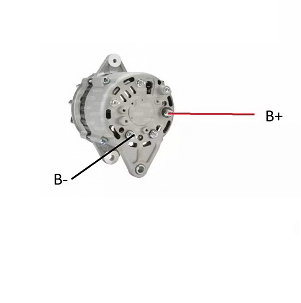
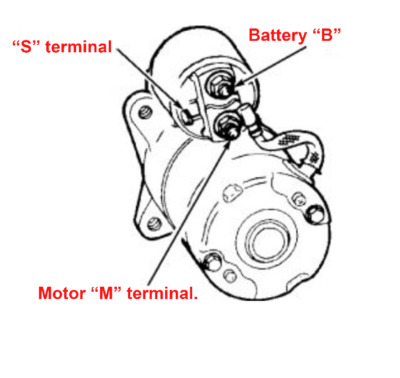
With conventional dynamos and alternators, one thick cable runs directly from the battery’s positive (Terminal B+) or to the distribution point on the starter motor.
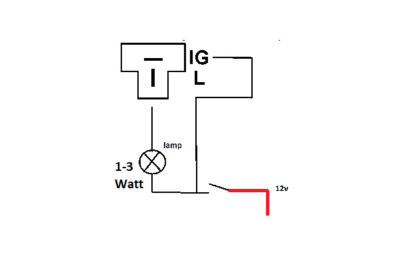
Turning on the dynamo usually happens via a warning light that visually indicates on the dashboard whether the circuit is complete. As soon as you turn on the ignition, this light will illuminate until the dynamo provides a counter-voltage while running. Does it not illuminate? Then also check the supply to the ignition L, or D+ on the dynamo. You can also simply connect this directly to the earth and see if it then illuminates.
There are also dynamos that are “mass-free”. This means the entire system is isolated from earth (often the engine block). In this case, these cables must also be disconnected.
The AC signal from the dynamo is often used to drive the rev counter. This is frequently marked on the dynamo as the W terminal. If your rev counter isn’t working either, this is another indication that something is wrong.
Removing the dynamo
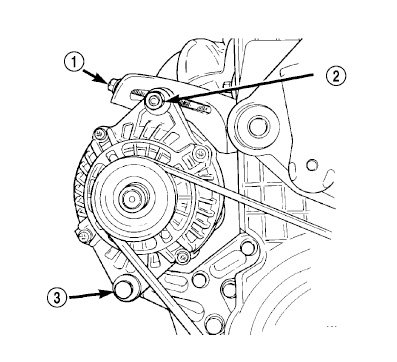
Turn off the electrical system, disconnect the battery or main switch, and check that the voltage is actually off the cables and the charging cable runs to the battery (B+) or distribution point. Disconnect the dynamo’s electrical wires. Mark the disconnected wires so you know where they need to go back later. The dynamo is now free from the electrical system. You can detach it from the engine. Generally, it is attached to the front of the engine with a tensioner and mounting bracket. Sometimes accessibility isn’t ideal, especially in a cramped engine bay, but with some creative socket wrench and extension bar work, you’ll get there. Slacken the V-belt by releasing the tensioner (1&2). Remove the mounting bolt (3).
Buying the right alternator for your boat
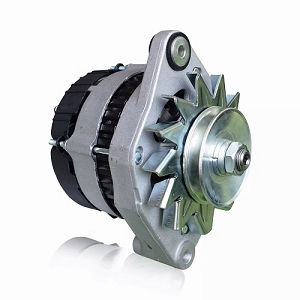
On our website, you can easily search for the right alternator. The easiest way to find the right dynamo for your boat is by its number. This is often found on the casing with a sticker and/or engraving.
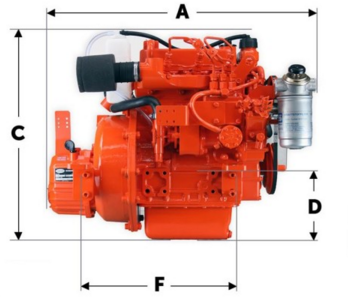
You can also find under the category alternator You can also find it under the category brand and type of the marine engine, or enter the engine type in the search bar. For each starter motor, you will see the dimensions and specifications. The most important measurements are in any case dimensions J1 and J2 (in the drawings C and A) and of course the entire execution of the suspension.
At AB Marine service, you can buy a (replacement) alternator for your specific brand. We have a category page for each brand. Including:
- Volvo Penta alternator
- Bosch
- Delco Remy
- Denso
- Duccelier
- Femsa
- Hitachi
- Iskra
- Lucas
- Magnetti Marelli
- Magneton
- Mande melroe
- Mitsubishi Motorolla
- Paris Rhone
- SEV
- Valeo
- Visteon
- OEM
Also watch our video: How to find the right dynamo for your boat?
Installing the new alternator
Installing the new alternator is the reverse of the steps described above. Ensure all surfaces are clean and free from corrosion. And note that grease is not conductive. Therefore, you should always grease the material after installation. This acts as a protective layer against moisture ingress. For proper protection between the contacts, use contact spray or conductive paste.
Alternator: codes and facts
Installing a dynamo is not complicated if you know what the codes mean. We are in all cases talking about alternators.
L or D+ contact: warning light on the dashboard
In most cases, a ship’s or boat’s alternator functions quite simply. A warning light on the dashboard illuminates when you turn the ignition key. When the engine is running, this light goes out. If the alternator is malfunctioning, you’ll sometimes see the light glowing dimly. This means the alternator has a low output and isn’t providing enough counter-voltage, causing current to flow slowly and the warning light to remain (dimly) illuminated. If the warning light isn’t working, the alternator won’t start either. This connection is often labelled L (lampje/light) or D+ (Dynamo+).
IG or R contact: always voltage for alternator
IG or R Contact is a switched wire from the ignition switch. The wire directly supplies the dynamo regulator with voltage, ensuring it always has voltage to engage.
B+/ A or 30: Output voltage
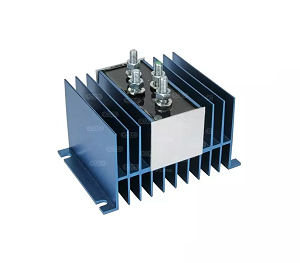
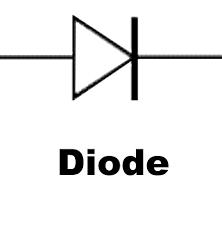
An output voltage and current from the dynamo go to the battery. Sometimes a diode separator is fitted in between to charge two battery packs separately. You then split the current into two parts, as it were. We usually recommend the use of a battery isolator switch, because it draws less voltage from the charging voltage.
This outgoing voltage wire is often thicker than the others and is generally red. It is designated B+, A, or 30.
Minus sign and G: earth connection
Everything marked with a minus sign or G for Ground means an earth connection and can be connected to the engine or the negative terminal.
W: Tachometer for boat engine
If you have to deal with the tachometer, that is to say the rev counter. The alternator generates alternating current. Each of the coils (usually 3) produces a Hertz signal that increases with the engine speed. The rev counter can convert this signal into an engine speed indicated on the tachometer.
Alternator codes: connection codes per brand
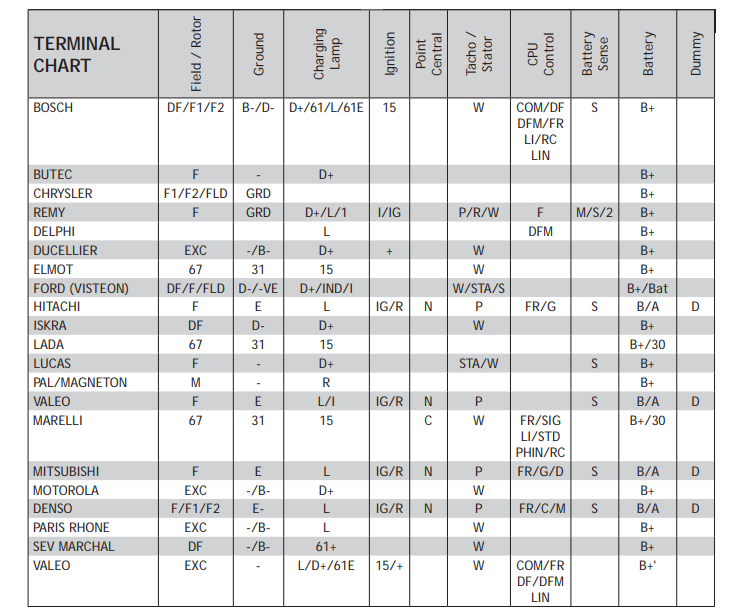
All connection codes per make are shown in the image below. American dynamo models often have a very different coding from Japanese and German variants. However, at their core, the most important and common connections like B+ battery/ D+ lamp and W tachometer are often still present.
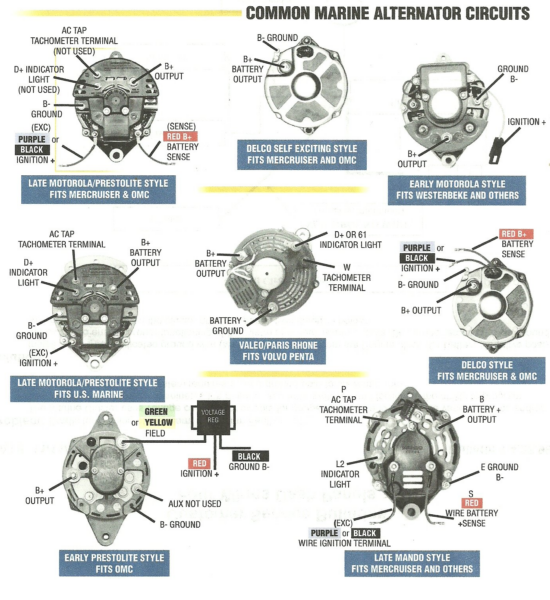
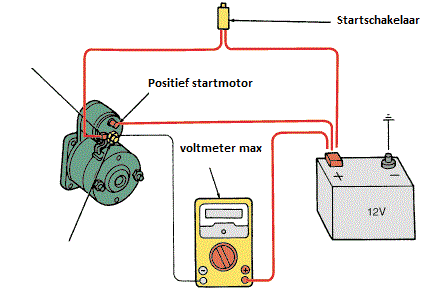
Further information about the electrical circuit and testing the installation.
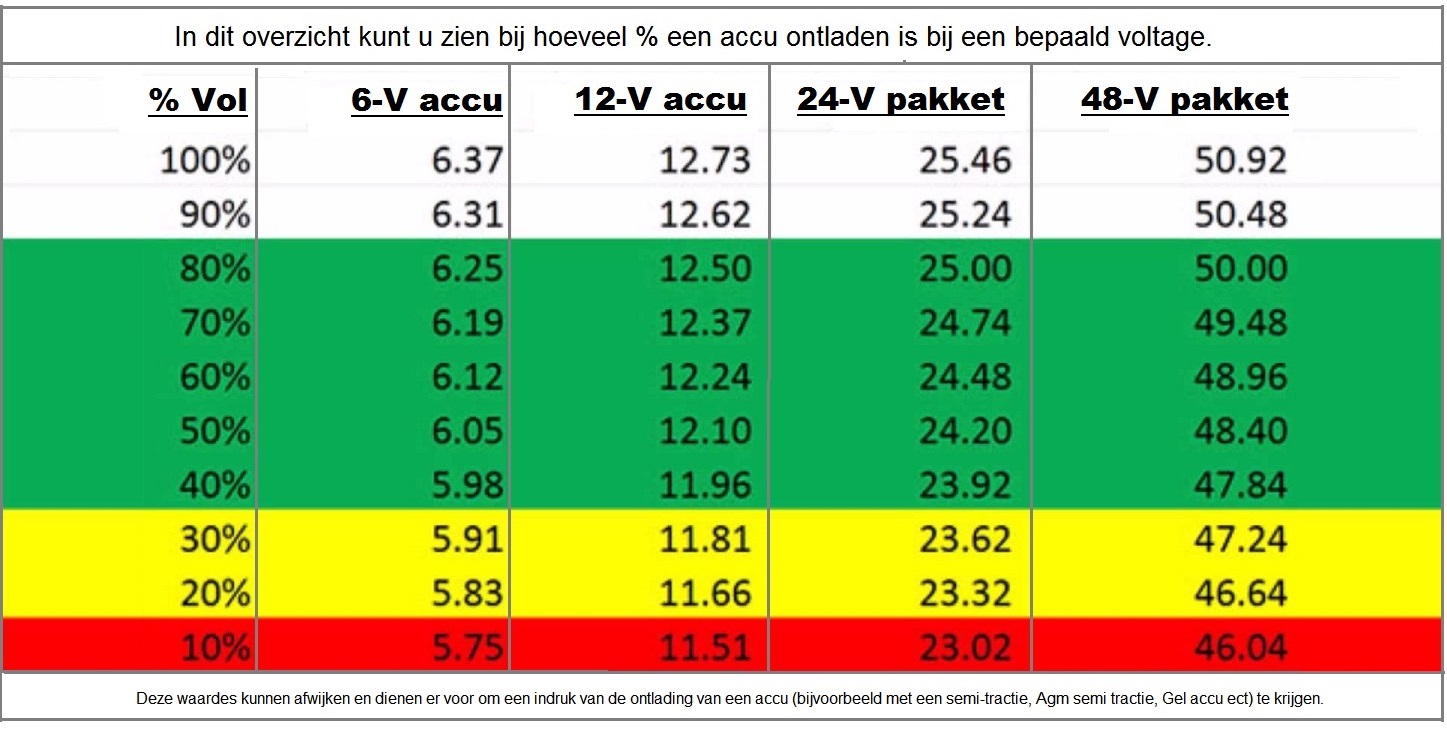
While sailing, the battery is charged by the alternator on the ship or boat’s engine. A battery supplies 12 or 24 volts. If you want more power on board, opt for a larger alternator that supplies more current. In most cases, we can supply an alternator with the same dimensions. Contact us, send us your current setup and as many numbers and details as possible, and we’ll find the right dynamo for you.

 Get quick help via Whatsapp, click here!