
If you have a marine diesel, you’ll know: maintenance not only determines how smoothly the engine runs, but also how reliable it remains. Yet, we see with boat owners (for example, with a Volvo Penta) that one maintenance step is regularly skipped or remains a bit vague: flushing the engine.
Flushing can help loosen contaminants and deposits in the oil system, particularly in older engines, when there’s uncertainty about their maintenance history, or if the engine frequently idles. In this blog, we’ll explain what engine flushing is, when you should or shouldn’t do it, and what it generally costs.
What is engine flushing?
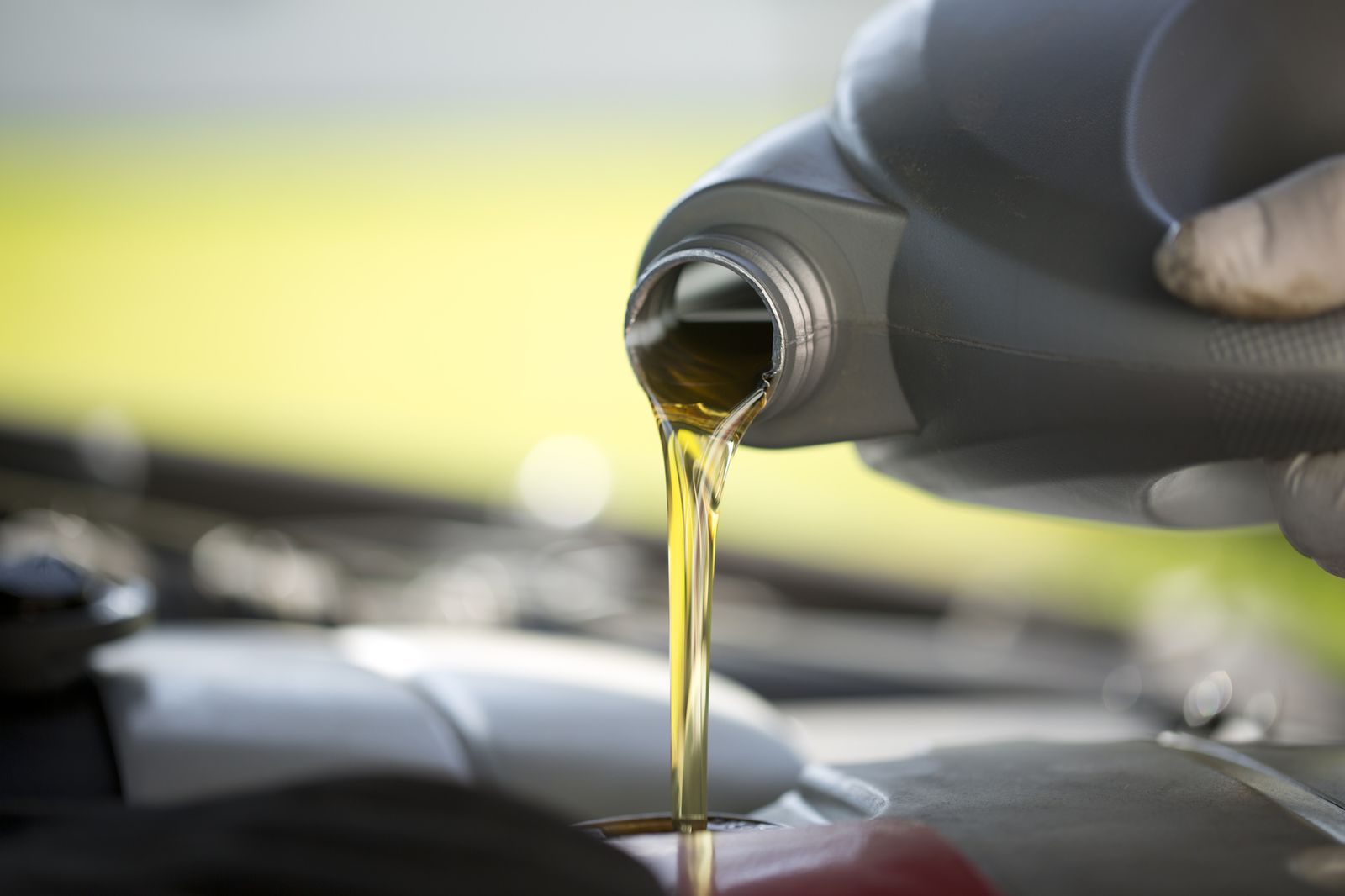
Engine flushing is the cleaning of the internal oil system. You add a special cleaning agent to the old engine oil, then run the engine briefly according to the product’s instructions, and then drain the oil. The aim is to loosen sludge and accumulated deposits from the crankcase and oil channels, so that this contamination is removed with the old oil. Afterwards, you replace the oil filter and fill with new oil.
On marine diesels, you sometimes see varnish deposits: a thin, sticky film that can range in colour from golden to brown. This can be caused not only by a engine not reaching its operating temperature but also by extended oil change intervals, a lot of idling/low-load running, prolonged periods of inactivity, and contamination (such as water or a bit of diesel in the oil). This deposit can impair lubrication and cause parts to move less smoothly. With heavy contamination (sludge), there’s even a risk that oil passages or a strainer could become partially blocked, which is why flushing is something you undertake deliberately and properly.
When is it advisable to flush an engine?
You don’t need to flush your engine with every service. However, in some cases, it has clear advantages. We’ll list those cases for you.
When the engine doesn’t run much
Boat engines that run infrequently often benefit from a flush. This is because they don’t often reach operating temperature, and the stagnant oil ages. This can lead to contamination, (partial) blockages, and the formation of acids and ‘black sludge’ in the crankcase. A flush can reduce this.
When the engine idles a lot
Also when the engine primarily runs at idle, the system doesn’t always reach an optimal temperature. This promotes oxidation of the engine oil and lacquer deposits. This, therefore, affects lubrication and the oil’s performance. In cases of heavy soiling, it can even (partially) block oilways.
When the engine has direct cooling
In the case of direct-cooled diesel engines, they often run cooler than closed systems. This gives dirt and the formation of ‘black sludge’ more of a chance. For direct-cooled engines, it can therefore be advisable to flush them slightly more often, especially if the engine runs at low load a lot or the maintenance history is unclear.
When the maintenance history is unknown
Perhaps you’ve bought a boat with an unclear maintenance history. In that case, the oil might not always have been changed on time. A flush reduces the risk of hidden contamination in the engine block and ensures a fresh start.
When the engine oil is old
If engine oil remains in the block for too long, it loses its lubricating and cleaning properties. Additives become depleted, dirt can accumulate, and acids may start to form. This leads to increased wear on components such as the bearings.
Should you have further doubts about the engine’s condition, it can also be helpful to follow a step-by-step guide for cleaning an diesel engine. Also in the case of a smoking diesel engine solutions are possible.
In what ways can you flush an engine?
There are several ways to flush an engine. Depending on the extent of the deposits, you can opt for using a cleaning agent, flushing with a standard flushing oil, or flushing with a more powerful flushing oil. We will cover these three options.
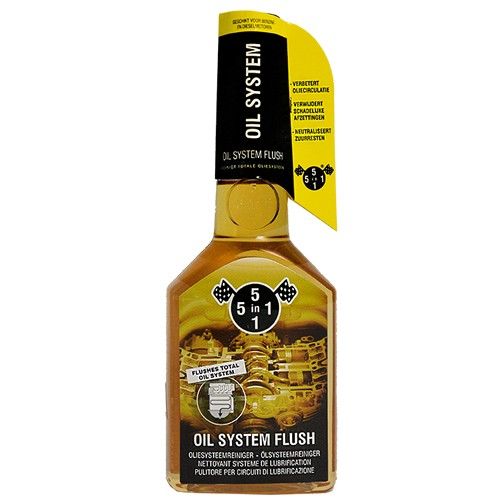
Add Oil System Flush to used oil
The most popular and cost-effective way to flush your engine is with a cleaning agent. We recommend Oil System Flush. This is a concentrated cleaner that you add to the old, warm engine oil before draining it.
This cleaner mixes with the oil and helps to loosen dirt, varnish deposits and ‘black sludge’ from engine parts, so they are drained away with the old oil. It helps to neutralise acid residues in the oil and is suitable for both petrol and diesel engines. Oil System Flush typically works within 5 to 15 minutes.
Oil System Flush is a good choice during a regular oil change. You can consider it a preventive measure for light to moderate contamination. Afterwards, you change the oil and filter so the system runs again with clean oil.
Step-by-step guide for using Oil System Flush
Always follow the instructions on the packaging and do not exceed the recommended running time.
- Let the engine run until warm.
- Switch off the engine.
- Add Oil System Flush to the oil.
- Let the engine idle.
- Switch off the engine.
- Drain the warm, old oil.
- Replace the oil filter.
- Fill the engine with fresh oil.
Flushing the engine with Flushing Oil when internally contaminated
If there is internal contamination, it is advisable to go a step further. Then we recommend Flushing Oil. The favourable choice of viscosity, high-quality base oils and special detergent and dispersant additives make Flushing Oil extremely effective.
Flushing Oil contains additives to prevent wear, corrosion, and foaming. It is also suitable for use when the old engine Oil contains a lot of condensation or white sludge. The recommended operating time is typically around 20 to 30 minutes for both diesel and petrol engines.
Flushing Oil is a good choice when there is significant internal contamination. It cleans more intensively than a cleaning agent added to the old oil. You can also use it before switching to a different or higher quality oil.
Step-by-step guide for using Flushing Oil
Beforehand, check that the engine has sufficient oil pressure and only run the engine at idle during flushing.
- Let the engine run until warm.
- Switch off the engine.
- Drain the warm, old oil.
- Pour Flushing Oil into the empty engine.
- Let the engine idle.
- Switch off the engine.
- Drain the warm flushing oil.
- Replace the oil filter.
- Top up the engine with new engine oil.

Heavy contamination? Choose Flushing Oil Pro and Neutralizer Oil Pro
For a professional cleaning of heavily soiled engines, it is advisable to opt for a thorough approach with Flushing Oil Pro and Neutralizer Oil Pro. Thanks to Flushing Oil Pro, you can tackle deposits, ‘black sludge’, and more like never before.
For a thorough cleaning of heavily soiled engines, you can opt for Flushing Oil Pro in combination with Neutralizer Oil Pro. Flushing Oil Pro has been developed to loosen heavy deposits and ‘black sludge’ in engines with severe internal contamination.
Because Flushing Oil Pro is even stronger than regular Flushing Oil, it’s important to also rinse with Neutralizer Oil Pro after using Flushing Oil Pro. This product has been specially developed to completely remove any residue from the flushing agent and clean the engine.
This combination of products is recommended when there is heavy contamination and no oil change has taken place for a long time. Changing the oil in combination with the flushing process often prevents costly repairs.
Step-by-step guide for using Flushing Oil Pro and Neutralizer Oil Pro
- Let the engine run until warm.
- Switch off the engine.
- Drain the warm oil.
- Pour Flushing Oil Pro into the empty engine.
- Let the engine idle.
- Switch off the engine.
- Drain the warm flushing oil.
- Replace the oil filter.
- Pour Neutralizer Oil Pro into the empty engine.
- Let the engine idle.
- Switch off the engine.
- Tap again.
- Replace the oil filter again.
- Top up the engine with new engine oil.

What are the costs of flushing an engine?
Do you choose a cleaning agent like Oil System Flush? This works out at about €17 for a 310ml bottle. One bottle typically allows you to treat 4 to 6 litres of oil. You can add the costs of new oil and a new oil filter to this.
Taking it a step further with Flushing Oil? Then a 1-litre bottle costs around 14 euros. For a professional clean, opt for Flushing Oil Pro and Neutralizer Oil Pro. Flushing Oil Pro costs around 80 euros and Neutralizer Oil Pro around 68 euros.
Flushing almost always offers significant benefits and better performance when it comes to oil consumption. If you have it done by a professional mechanic, you will naturally also have to factor in labour costs.
Clearing out ‘black sludge’? Order everything from AB Marine Service
In the case of a dirty engine, flushing is necessary. It ensures a clean engine with better lubrication, prevents increased wear, and extends the engine’s lifespan. It is particularly necessary for engines that idle or do not reach operating temperature, to remove deposits.
Do you also want to keep your engine in optimal condition? With us, you can order everything you need to get this job done. If you have any questions, please feel free to contact us. We’re happy to help.





 Get quick help via Whatsapp, click here!