
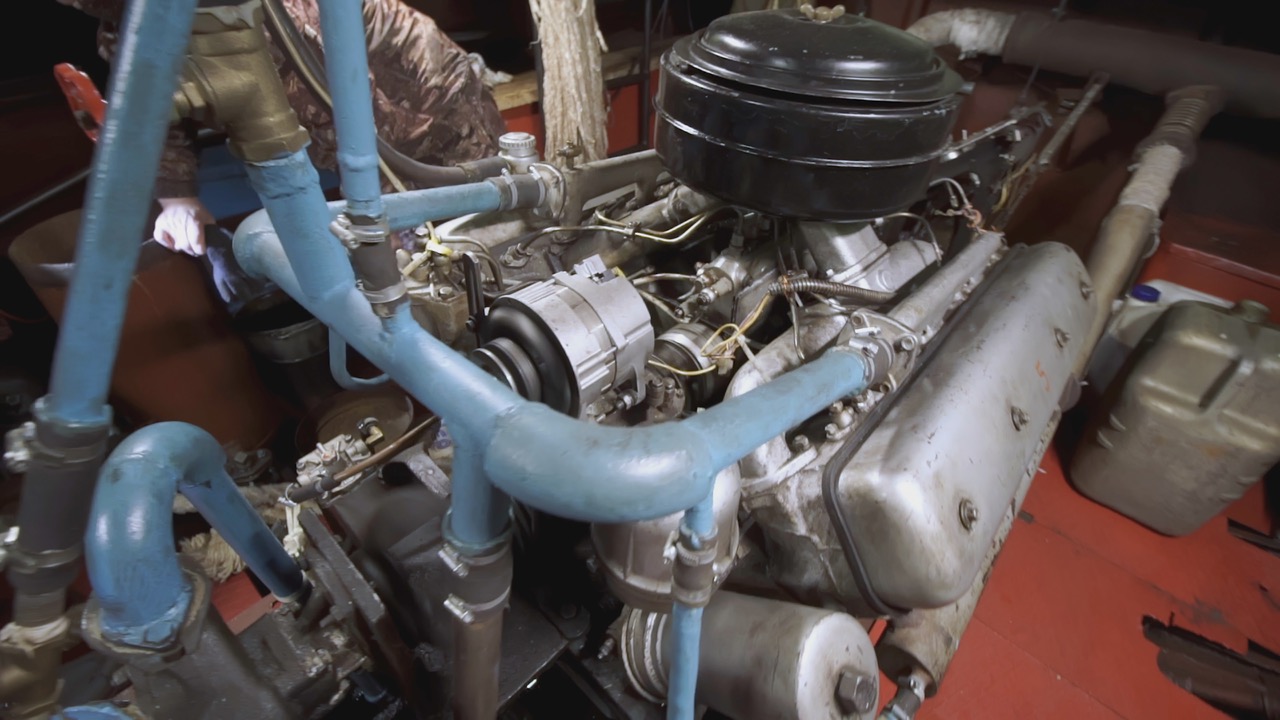
Is your marine engine running erratically, is the idle speed fluctuating, or does it sometimes almost cut out? This is often first noticed when manoeuvring or idling in the harbour. Usually, the cause can be traced relatively easily if you know what to look for.
In this blog, you’ll learn to recognise the problem, understand the most likely causes, and get a clear path to determine what you can check yourself and when it’s wiser to get help.
How to recognise if a ship’s engine is running unevenly (even when idling)?
Irregular running means the engine isn’t running smoothly: the RPMs fluctuate, it sputters, or occasionally hesitates. On boats, you often notice this first when idling (mooring, waiting at a bridge/lock). Idling is sensitive: a small disturbance in fuel, air, or control is more noticeable then than at higher revs.
First, try to clarify exactly what you’re noticing and when it happens. This will make it much easier to rule out causes later on.
Common onboard symptoms
You can notice irregular running in several ways.
- A rocking engine speed,
- Stuttering or hesitation when gently accelerating,
- The engine runs unevenly at idle. Sometimes this is accompanied by extra smoke, an alternating engine noise, or new vibrations.
The most common causes: fuel, air, ignition or control
It becomes much clearer if you divide the causes into a few logical groups. Then you can exclude them step by step, instead of replacing parts at random.
1) Fuel problems (an especially common cause in boats)
Fuel issues are relatively common with ship engines. Downtime and moisture (condensation) can lead to water in the tank, and dirt already in the tank can cause problems later on.
The most common fuel-related causes are water or contamination in the fuel, clogged (pre)filters, and air in the fuel line (air leaks through couplings or hose clamps). With diesel, contamination such as diesel bacteria can also play a role, especially if filters clog up again quickly.
In the following situations, this is often the problem:
- Primarily restless or stalling at idle: First, consider water in the fuel, air in the line, or a disturbance that becomes more apparent at idle.
- Hesitates when accelerating or under heavier load: Consider (pre) filters that can no longer cope with the demand or a supply problem to the pump/injection.
- Complaints return quickly after a ‘quick fix’: This often means there is still contamination in the system or a cause (such as water/condensation) that has not been eliminated.
2) Air supply (the engine also needs to be able to ‘breathe’ properly)
If the engine receives too little air, or if the air supply is incorrect somewhere, it can cause issues. Think of a dirty air filter or a blocked intake route. This is often a simple check and therefore useful to do early on.
3) Ignition (especially in petrol engines)
If you have a petrol engine, it’s often an ignition issue: the engine occasionally misfires. Worn or dirty spark plugs are then a logical first thing to rule out. If that’s not it, cables, the coil pack, or other ignition components could also be involved, especially in a damp engine bay. With older petrol systems, a faulty carburettor (dirt or incorrect adjustment) can also cause sputtering or rough idling.
4) Control and sensors (modern engines)
With more modern engines, a dirty control valve/throttle body or a faulty sensor can cause ‘hunting’ at idle or inconsistent responses. Sometimes you’ll see a fault code, but it can also happen without a clear code. If the problem persists after you’ve ruled out the basics (fuel/air), reading the codes or taking measurements is often the quickest route.
Quick exclusion: you can (safely) follow this step-by-step plan
The temptation is great to replace ‘something’ straight away. But with marine engines, it almost always works better to rule things out calmly first. This way, you avoid spending money on parts that don’t solve the problem.
Step 1: When does it occur?
- Only at idle: think more in terms of fuel (water/false air/filters) or control.
- Mainly under load: think more in terms of fuel supply or (with petrol) ignition.
- Only when cold or specifically when warm: note this down; it helps enormously with diagnosis.
Step 2: First check the ‘stop points’’
With ‘stop points’ we mean: signals where you don’t want to search any further while the engine is still running. Not because you immediately need to panic, but because you first want to be sure you are not causing damage (or an unsafe situation).
If you see any of these, it’s wiser to stop testing and sort out what’s what first:
- Temperature or oil pressure alarm
This could mean that cooling or lubrication isn’t right. In that case, you don’t want to keep running “to see if it goes away”. - Strong fuel smell or visible fuel leakage
This is not just an engine problem, but also a safety hazard. - New loud noises or extreme vibrations
If it suddenly feels mechanically ‘wrong’, investigating is usually the wrong course of action.
Step 3: Start with the simple causes
- Fuel first: check for water/dirt in the water separator (if fitted) and consider when the filters were last replaced.
- Then air: check air filter/intake (quick and cheap).
- Petrol? Then check spark plugs/ignition as a quick elimination.
Solutions: from quick fixes to structural approaches (incl. parts)
If you have a reasonable idea of where the problem might be, you can also choose your actions more specifically. The smartest order is usually: first maintenance and checks, only then targeted part replacement, and finally prevention so it doesn’t come back.
Route 1: First maintenance and repair (often the quickest win)
Start with the things that make the most difference and that you do periodically anyway. Think about replacing (pre) fuel filters and checking/emptying the water separator (if fitted). Then check the air filter/intake route. If you have a petrol engine, spark plugs are a logical, affordable item to rule out. Bleeding the system can help if you suspect air in the fuel system, but only do this if you know how it’s done on your engine.
Route 2: Targeted component replacement (if the indicators align)
If the symptoms and checks clearly point to a single cause, targeted replacement is often the best course of action.
- Fuel: (pre) filters and possibly water separation
Suitable for contamination/water or a supply that cannot keep up. You often notice immediately smoother idling and less hesitation. - Air leak or leakage: hoses, clamps, and connection materials
Suitable if you suspect air in the line or if hoses/couplings are aged. - Petrol: ignition parts (spark plugs, leads, coil, etc.)
Suitable for sputtering/misfires, especially if it’s worse under load or sensitive to damp.
Route 3: Prevention (so it doesn’t reoccur)
Replace filters in good time (preferably before the season), keep fuel as clean and fresh as possible and check hoses/clamps during maintenance. This prevents air leaks, contamination, and surprises after standing idle.
Ready to sail worry-free again?
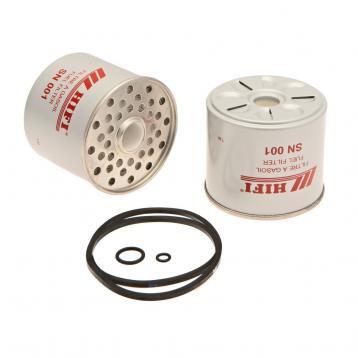
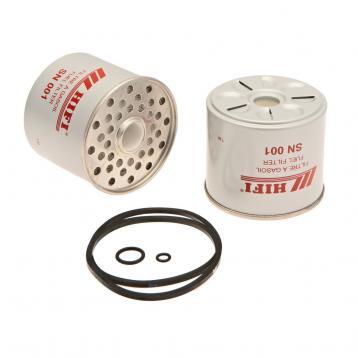
Do you want to tackle this problem with the right parts? In our webshop you will find the products that most often help with an engine running irregularly, such as (pre) fuel filters, water separators and filter elements, fuel hoses and hose clamps (to prevent air leaks) and for petrol engines, spark plugs and ignition parts. Feel free to look around, compare what suits your situation and immediately prepare the most logical maintenance step for your next boat trip.






 Get quick help via Whatsapp, click here!